Brand comparison guide
Charcoal Grill Brands: Compare Kettles, Kamados, Carts, and Portables
Compare charcoal grill brands through vent control, grate geometry, two-zone setup, ash handling, ceramic care, mobility, accessories, and support.
Quick answer
Choose the charcoal format first: kettle, ceramic kamado, cart, drum, or portable. Then verify vent layout, fuel and grate geometry, two-zone capability, lid access, ash removal, stability and mobility, material care, accessory fit, replacement parts, and written support.
Choose the right comparison path
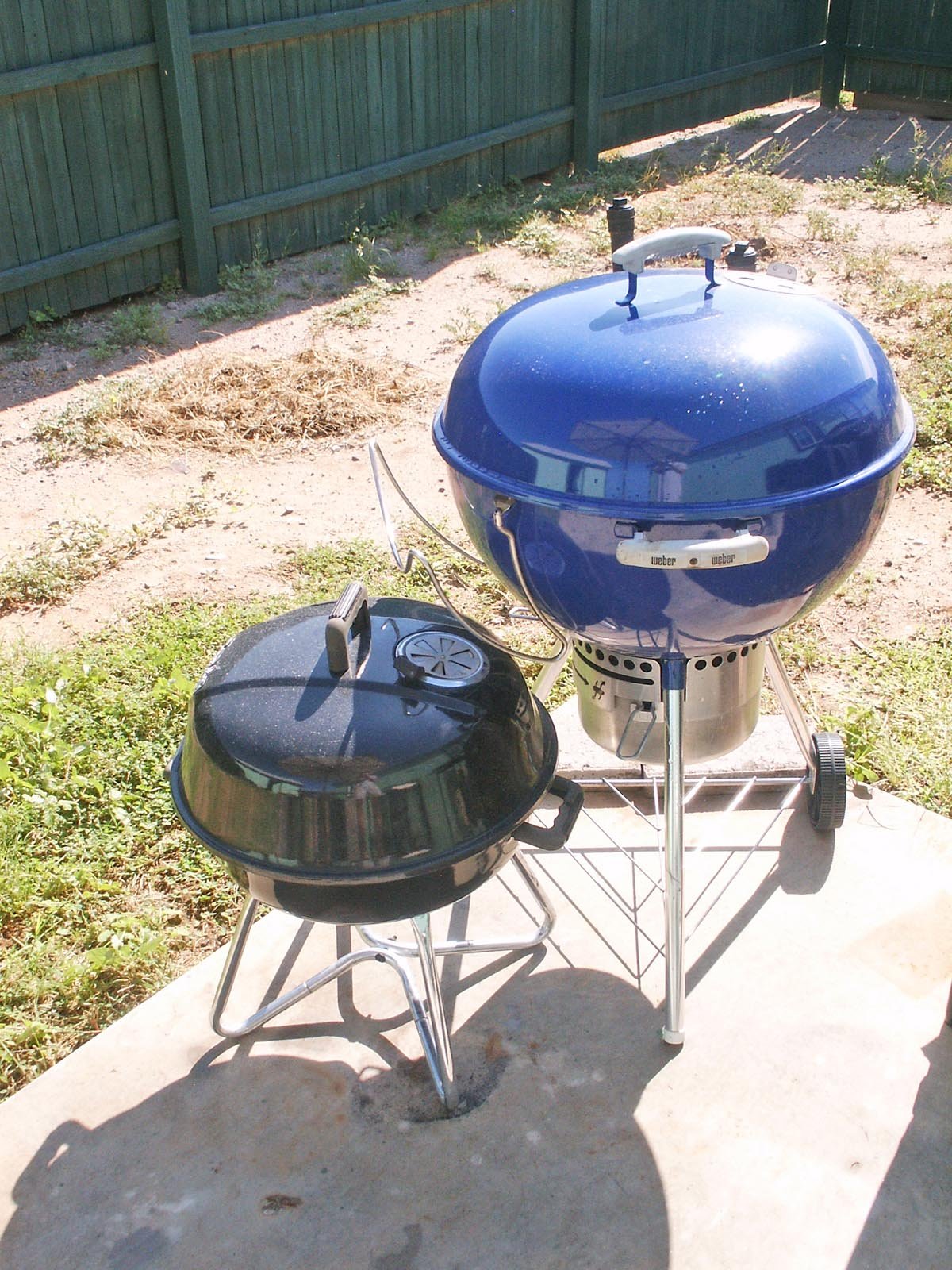
Charcoal grill brands sell formats that manage fire in different ways. A kettle uses a rounded body, lid, and vents; a ceramic kamado uses a heavy insulated shell and internal ceramic pieces; carts and drums create different fuel distances and access; portables prioritize transport and compact setup. The best comparison begins with the fire layout and handling routine, not a generic brand hierarchy.
Decide where the cooker will stand, how it will be moved, where charcoal will be lit and stored, how hot fuel and ash will be handled, and what foods must fit. Then compare exact models. Dimensions, clearances, included parts, accessory compatibility, and care instructions can vary inside one manufacturer’s range.
- Weber — Explore charcoal within a multi-fuel manufacturer profile.
- Big Green Egg — Review ceramic kamado format, components, and support questions.
- Kamado Joe — Review ceramic kamado ownership without unsupported model comparison.
- Smoker brands — Compare charcoal smoking with other fuel systems.
- Grill brands — Return to the broad fuel-and-format framework.
Compare fuel and format
Airflow is the primary control system. Identify lower and upper vents, their markings and reach, the fuel grate or basket, lid seal or gasket where applicable, and the manual’s lighting and shutdown procedures. A two-zone fire requires enough usable geometry to arrange fuel and food as intended. Confirm that the grate shape, lid height, and access support your direct and indirect cooking plan.
Format changes handling. A portable should have a documented transport routine and a stable setup surface. A wheeled kettle or cart needs secure legs, usable handles, and a realistic path across the patio. A ceramic kamado is heavy and includes components that require careful assembly, movement, and thermal operation according to its manual. Do not infer mobility from the presence of casters alone.
Turn the use case into measurements
Write down the normal meal, the largest occasional cook, the tools or pans involved, and the available setup and storage space. Measure the narrowest gate or doorway on the delivery route. For every candidate, record cooking-surface dimensions, overall footprint, open-lid depth, working clearance, fuel or power needs, and the location of grease or ash collection. This converts broad claims into comparable facts.
Controls, cleaning, and ownership
Ash management should be evaluated from fire grate to final disposal. Locate the catcher, pan, drawer, or cleanout; determine whether it can be removed without spilling through the base or cart; and follow the manufacturer’s cool-down guidance. Ash can remain hot, so generic timing assumptions are not appropriate. Fuel storage also needs a dry, protected location away from ignition sources.
Materials introduce distinct care. Porcelain-coated or painted metal, stainless components, cast-iron grates, gaskets, and ceramic shells do not share one cleaning method. Use only the tools and products allowed by the exact manual. For kamados, inspect diagrams for the firebox, ring, heat deflector, gasket, bands, hinge, cap, stand, and any periodic hardware checks.
Also separate included equipment from optional accessories. Confirm the exact model or size each accessory fits, whether it changes clearance or cleaning, and whether the manual recognizes the setup. A family name is not a compatibility guarantee.
Failure points and maintenance
Inspection topics include blocked vents, accumulated ash, unstable legs or carts, loose hardware, damaged handles, corroded components, worn gaskets, chipped coatings, cracked ceramic pieces, and poorly fitting accessories. These topics do not prove a brand defect. They help reveal whether routine inspection is possible and whether replacement parts are clearly identified.
Accessories can change airflow, clearances, weight distribution, or food position. Confirm the exact model and size compatibility of baskets, dividers, deflectors, rotisseries, stands, tables, covers, and replacement grates. A shared brand name does not guarantee that an accessory fits every generation or size.
Build a maintenance calendar only from the manual. Record before-use checks, periodic cleaning, seasonal storage, and inspection after unusual operation. If the documentation uses vague intervals, ask support what condition should trigger service. Never bypass a safety device or improvise a fuel, electrical, or structural repair.
Questions to ask manufacturer support
Send questions with the complete model number and country. Save the dated reply with the manual and comparison notes; it provides a better decision record than an uncited claim.
- What are the exact grate, fuel-grate, and interior dimensions—not only total area?
- How does the manual describe lighting, vent adjustment, shutdown, cool-down, and ash disposal?
- Which surfaces, coatings, grates, gaskets, or ceramic parts require special care?
- How should the assembled cooker be moved, stabilized, stored, and protected from weather?
- Which accessories fit this exact model number and revision?
- How are replacement bowls, lids, vents, ash parts, grates, hinges, bands, gaskets, or ceramics identified and covered?
A repeatable verification method
- Choose kettle, kamado, cart, drum, or portable according to the desired fire routine.
- Sketch the fuel and food arrangement for direct, indirect, and two-zone cooking.
- Measure grate geometry, lid height, footprint, open-lid space, and movement route.
- Read lighting, airflow, shutdown, ash, material-care, and storage sections.
- Confirm accessory fit and replacement parts by exact model or size.
- Compare written warranty component by component, including exclusions and claim steps.
Use a simple pass, fail, or unknown field for each criterion. An unknown should remain open rather than being filled with an assumption. Recheck documents immediately before purchase because lineups and terms can change.
Frequently asked questions
Is a kamado the same as a kettle grill?
No. Both can use charcoal, but their construction, thermal behavior, weight, internal components, venting, and handling differ.
What makes two-zone cooking possible?
You need suitable fuel and grate geometry plus controllable airflow and enough food space away from the concentrated fire.
Are charcoal grills maintenance-free?
No. Vents, ash systems, grates, hardware, surfaces, and—where present—gaskets and ceramic pieces need inspection and care.
Can I move a ceramic grill by its side tables?
Follow the exact manufacturer moving instructions. Do not assume an accessory or handle is a lifting point.
Should included accessories decide the brand?
Evaluate whether each accessory supports your cooking plan, fits the exact model, can be cleaned, and remains identifiable for replacement.
Evidence and methodology
This page is an editorial comparison framework, not a hands-on test or model review. It makes no rating, price, availability, performance, reliability, or universal-best claim. Manufacturer catalogs help define product families, while current US manuals, assembly or installation guides, parts diagrams, support pages, and written warranty terms govern exact-model facts.
Community comments are anecdotal and are not treated as proof. The collected search-result set was rejected for semantic use and is not cited. Questions and entities here come from the governed topic map: fuel, format, cooking geometry, airflow or burners, controls, power, ash, grease, materials, maintenance, manuals, parts, warranty, and support.
Source box
Verify before relying: the manufacturer’s current US product page for the complete model number; owner’s and assembly manuals; installation or cutout instructions where applicable; official parts diagrams; official troubleshooting and safety notices; and the full written US warranty. Retailer summaries may help locate a product but should not override model-specific manufacturer documents.
Final checklist
Do not choose until the exact model passes the same brief for fuel, format, fit, usable cooking geometry, controls, cleaning access, placement, storage, documentation, parts identification, and service path. Keep unresolved safety or compatibility questions marked as unknown and obtain a written answer before installation or operation.