BBQ Recipes
Backyard BBQ recipes built around fire, smoke, and timing.
Great BBQ recipes are not just ingredient lists. They depend on heat control, smoke quality, internal temperature, resting, slicing, and patience. This recipe section is built to help backyard cooks make better smoked meats, grilled favorites, and practical BBQ meals with repeatable results.
Recipe categories
Start with the BBQ foods people cook most.
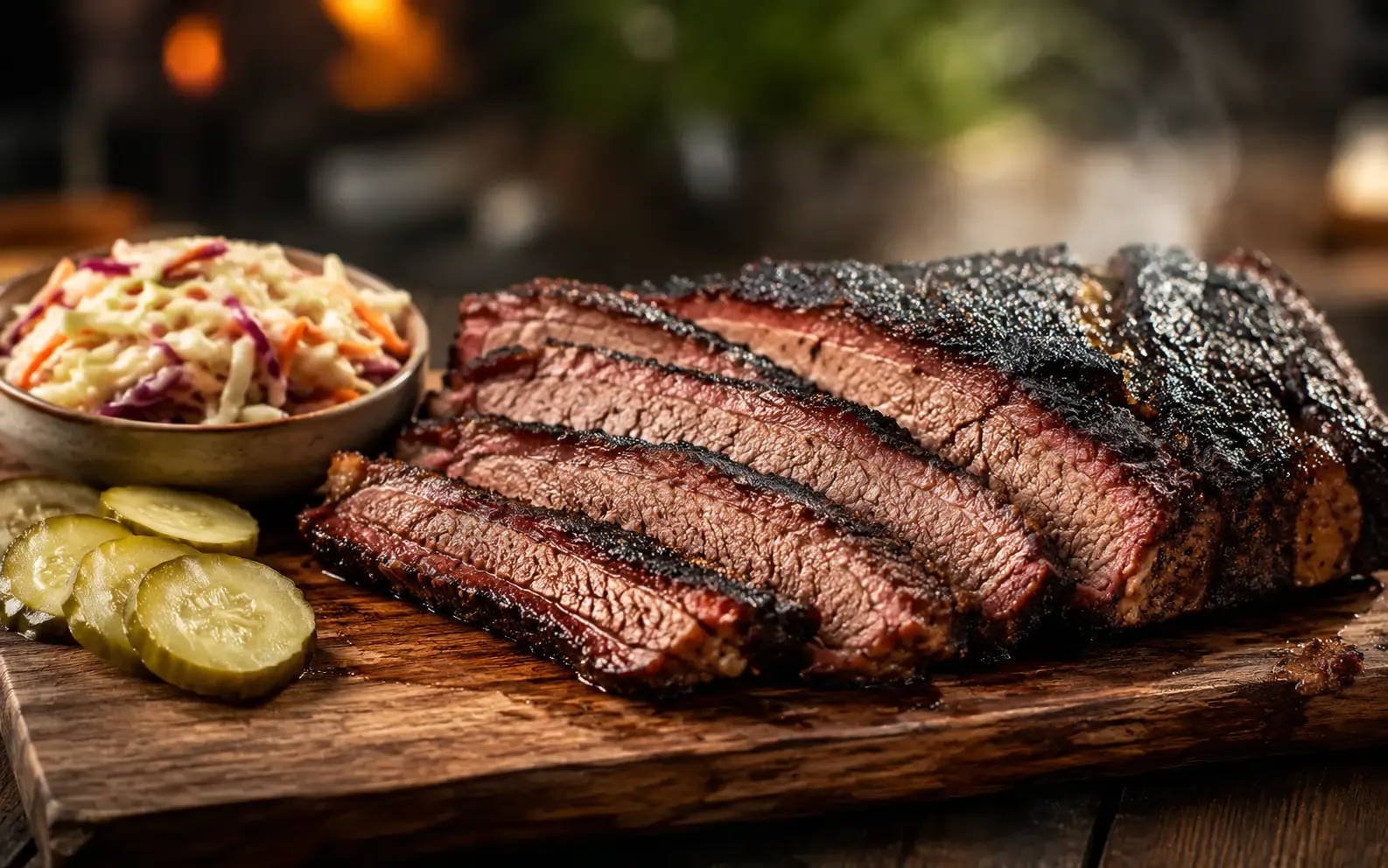
Brisket
Learn the basics behind smoked brisket, bark, tenderness, resting, slicing, and why temperature is only part of the decision.
Open Brisket Guide →
02Ribs
Explore backyard rib basics, smoke time, tenderness cues, wrapping decisions, sauce timing, and texture control.
Open Rib Smoking Guide →
03Smoked Turkey Breast
Cook smoked turkey breast with moisture, smoke flavor, internal temperature, resting, slicing, and clean backyard BBQ technique.
Open Smoked Turkey Breast →
04Smoked Chicken Wings
Learn how to cook smoked chicken wings with better skin, safe internal temperature, smoke flavor, and balanced heat.
Open Smoked Chicken Wings →
Popular smoked recipes
Use these recipe guides to build better backyard BBQ technique.
These pages connect recipes with temperature, smoke quality, wood choice, texture, doneness, and common mistakes. They also help organize the recipe hub without creating thin duplicate pages.
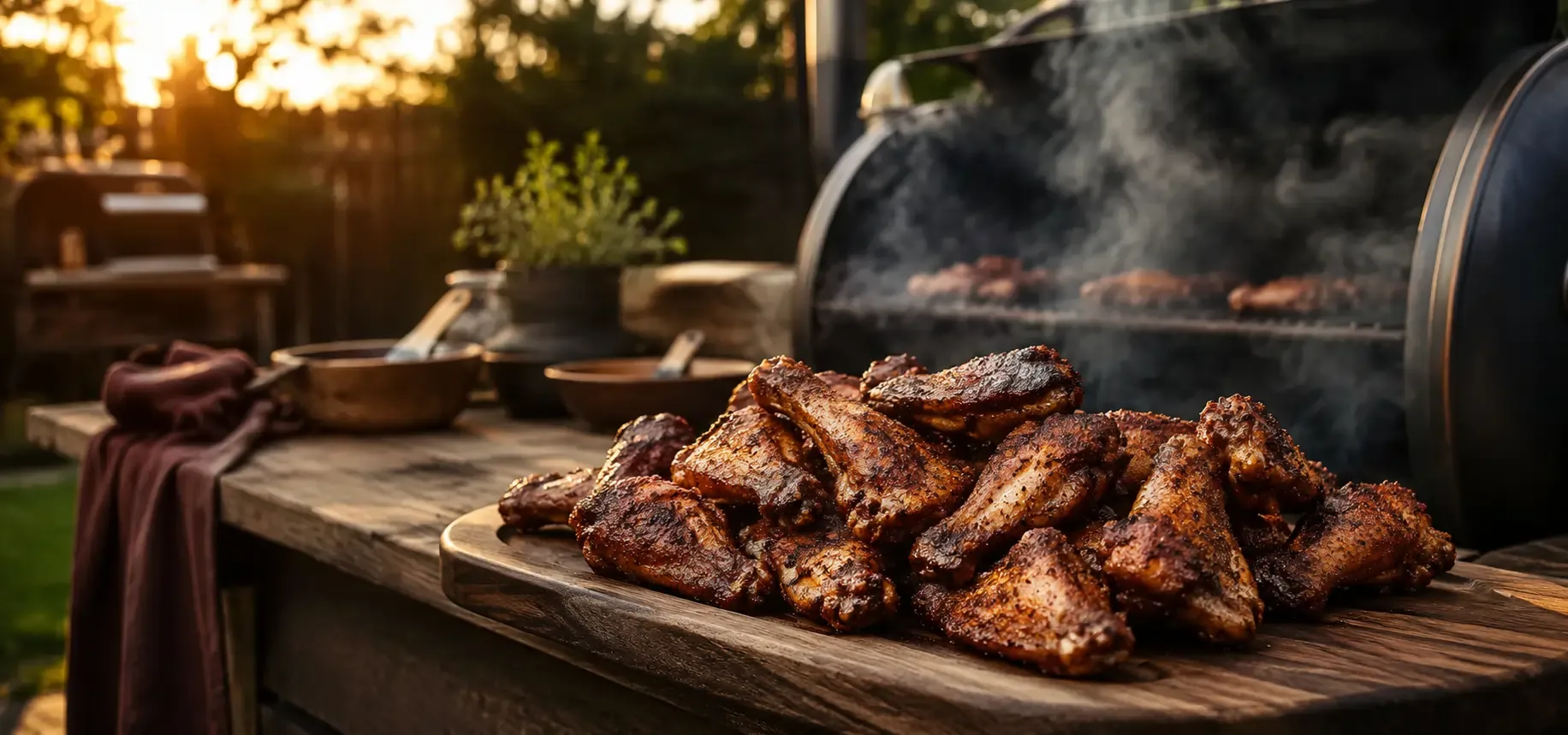
Smoked Chicken Wings
Smoke chicken wings with cleaner flavor, better skin, steady heat, and beginner-friendly backyard technique.
Open Smoked Chicken Wings →
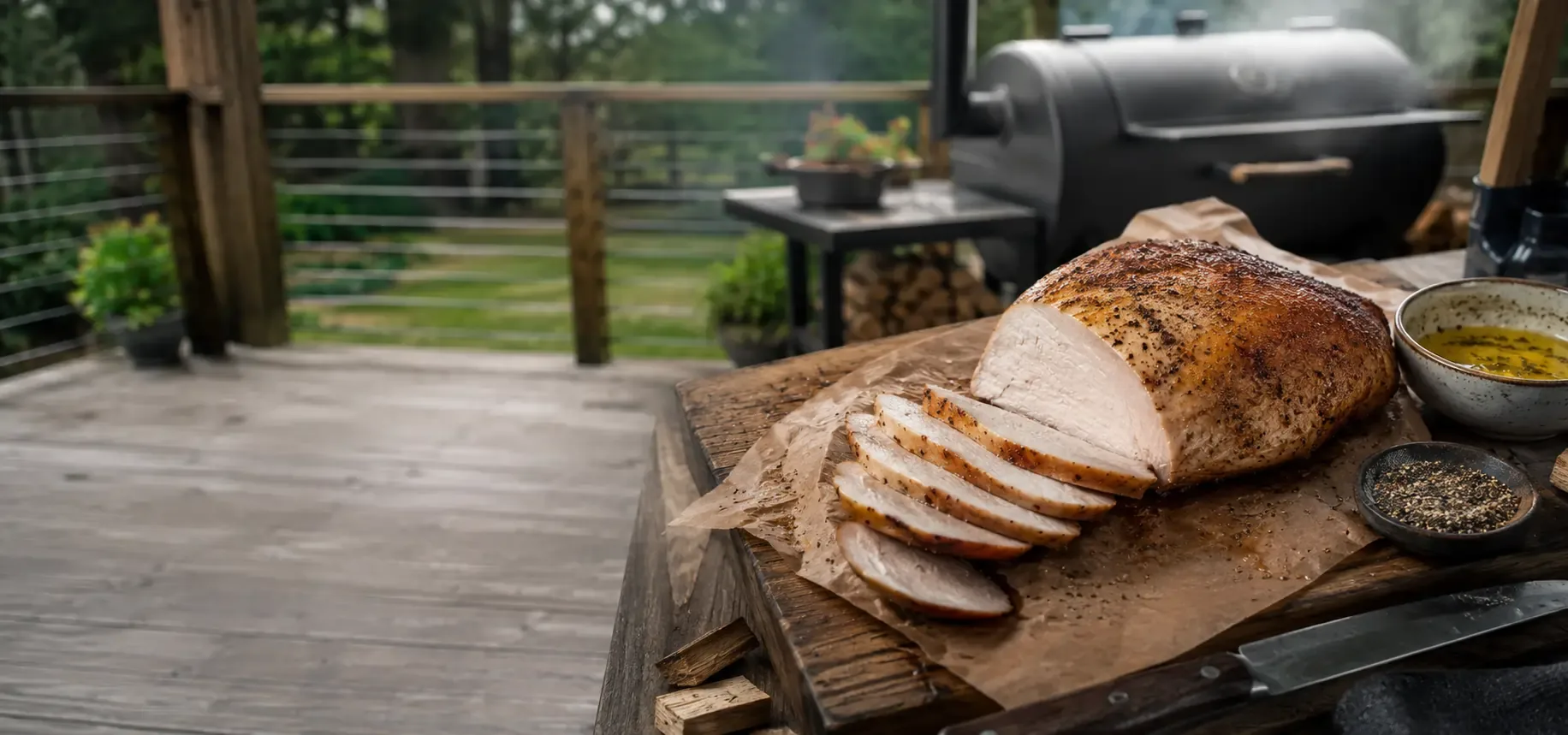
Smoked Turkey Breast
Cook smoked turkey breast with moisture, smoke flavor, internal temperature, resting, and slicing in mind.
Open Smoked Turkey Breast →
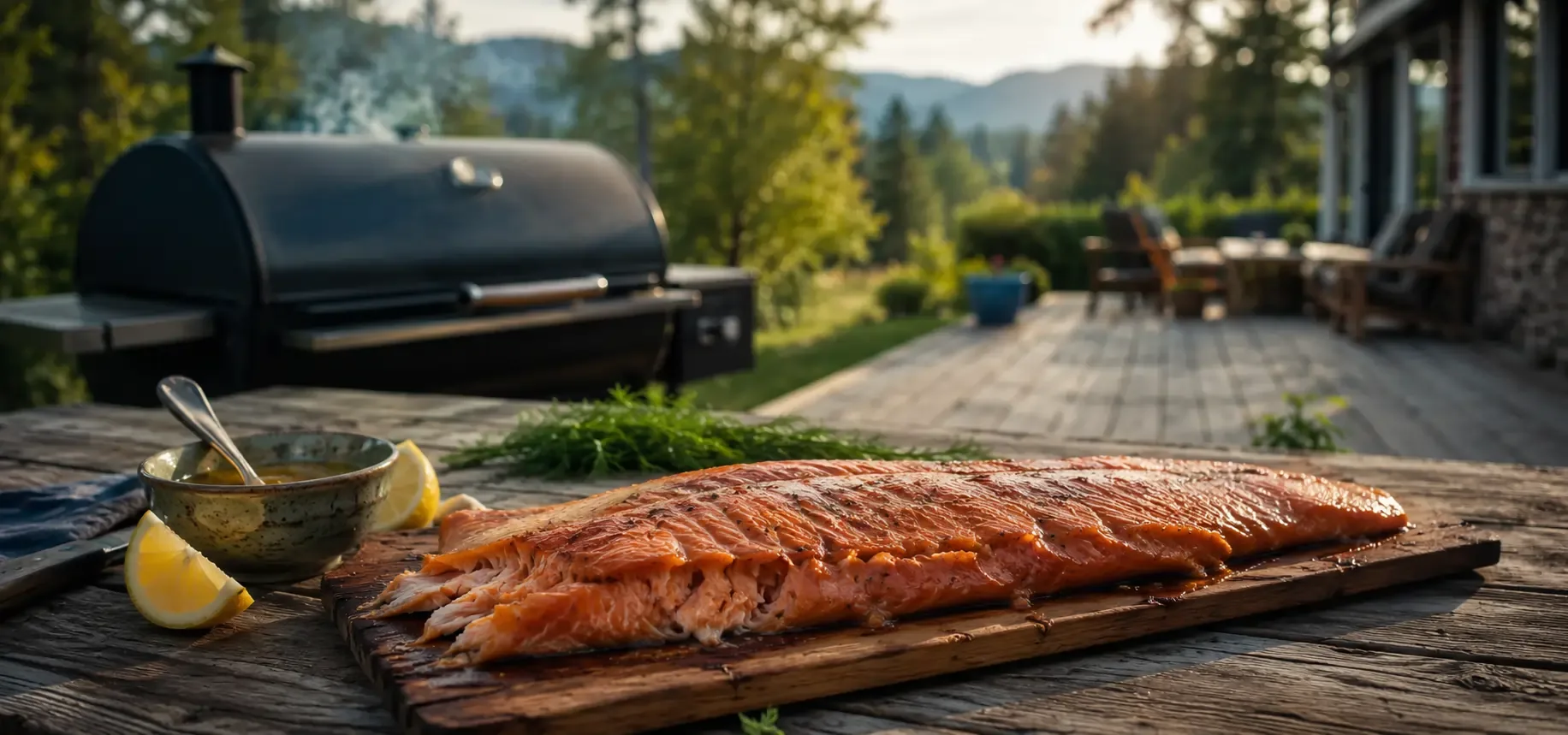
Smoked Salmon
Understand smoked salmon texture, smoke level, drying risk, cooking temperature, and how to avoid overcooking fish.
Open Smoked Salmon →
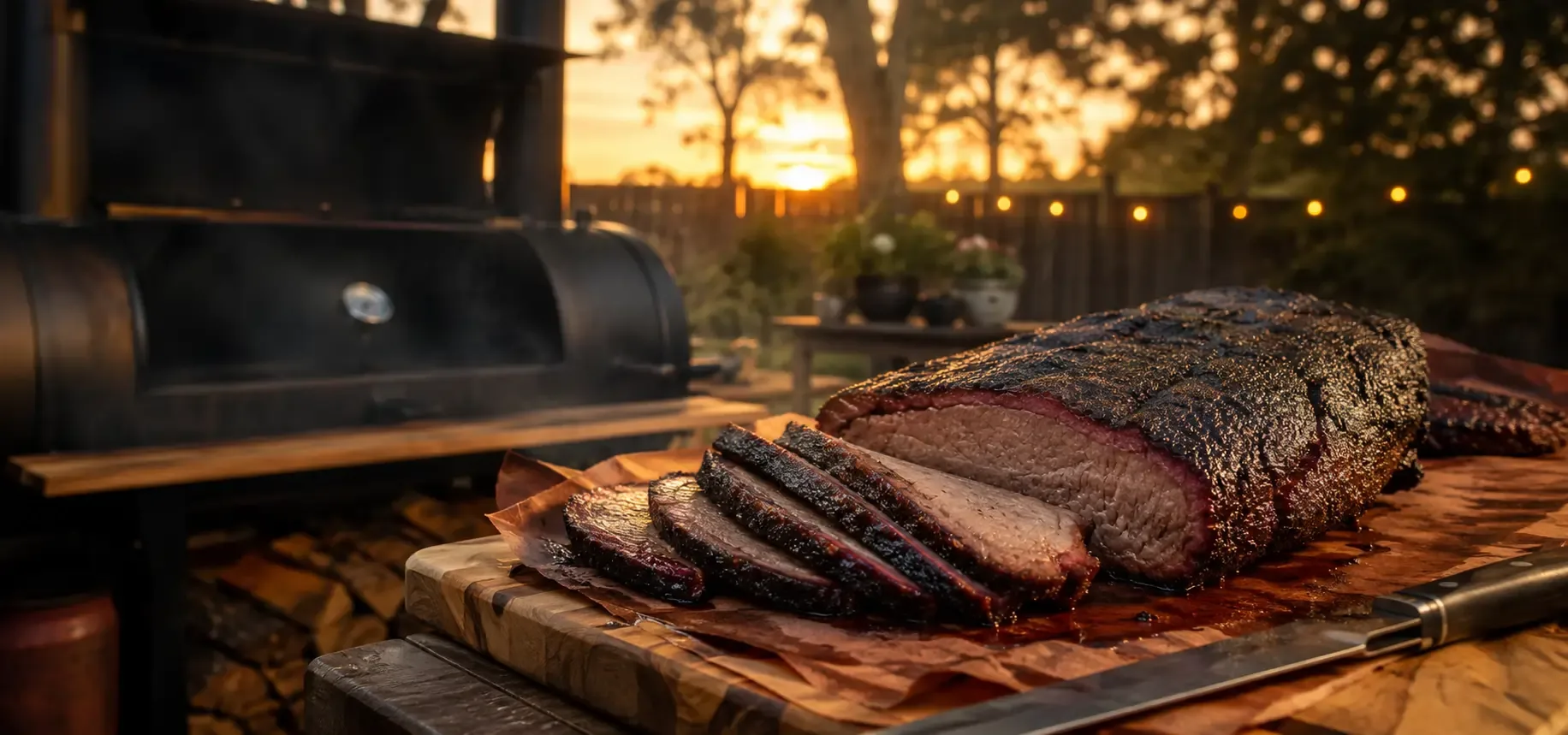
How to Smoke Brisket
Learn brisket fundamentals: fire control, bark, stall, wrapping, tenderness, resting, and slicing.
Open Brisket Guide →
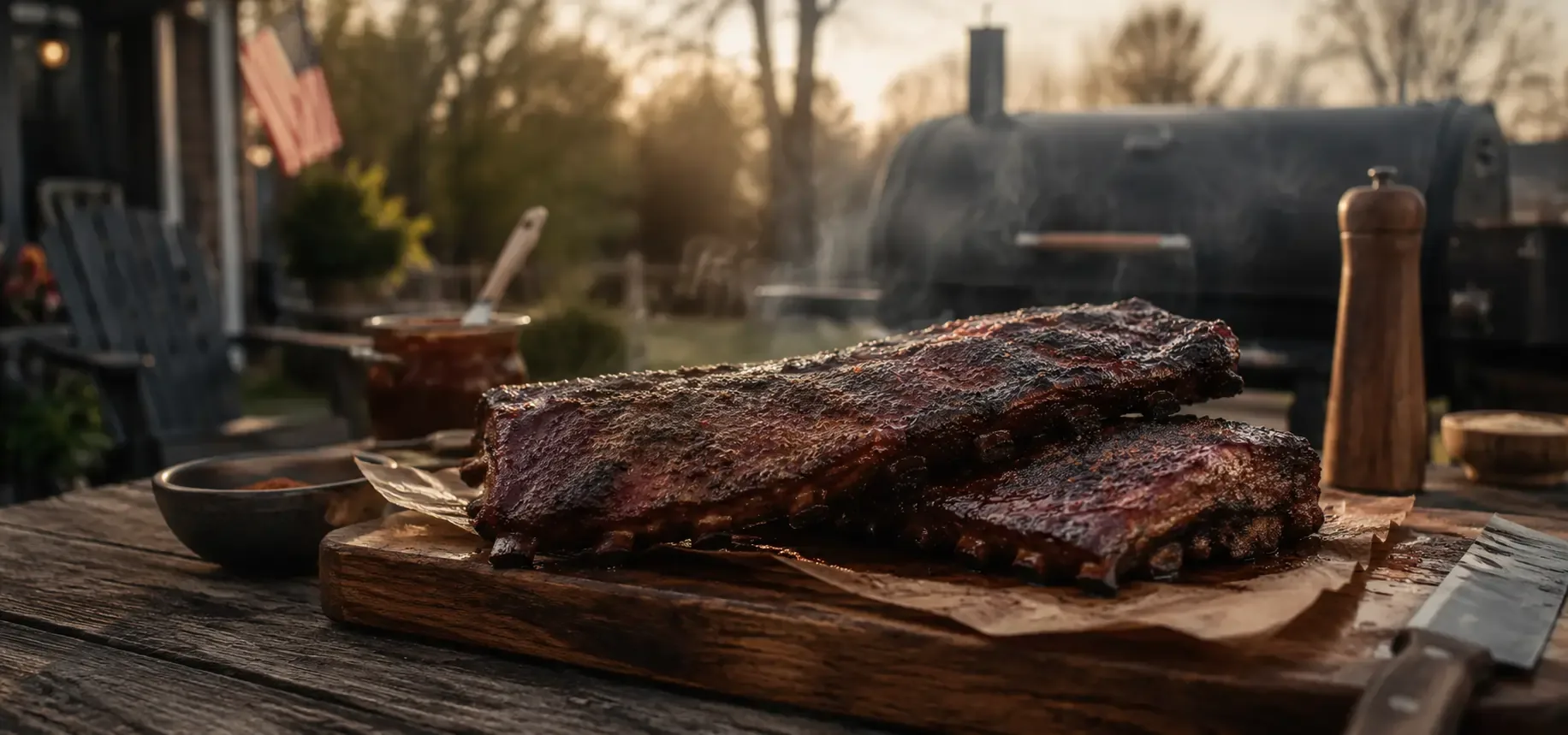
How to Smoke Ribs
Smoke better ribs by understanding tenderness, wrapping, bark, moisture, timing, temperature, and doneness cues.
Open Rib Smoking Guide →
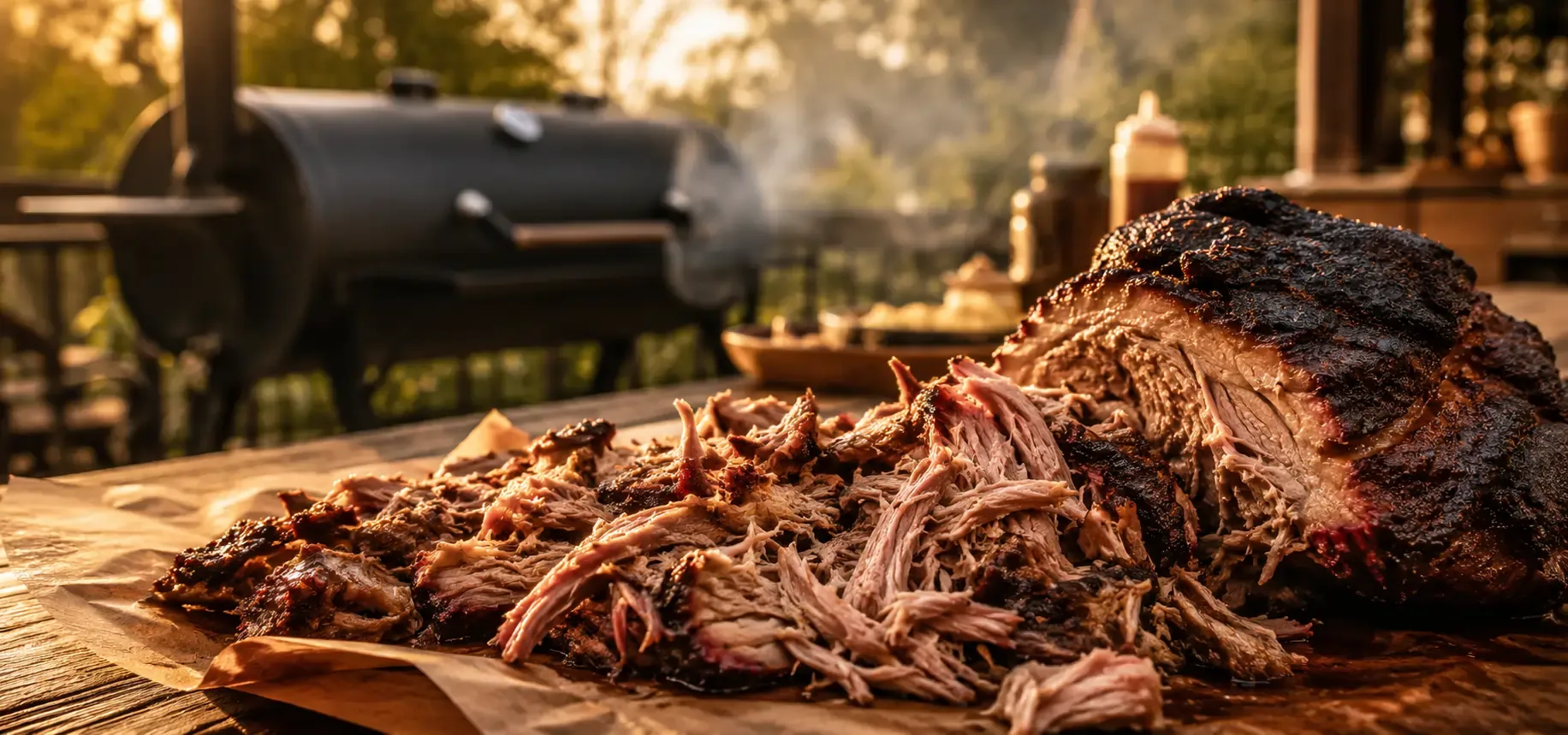
Smoked Pulled Pork
Build better pulled pork with clean smoke, steady temperature, bark, stall management, resting, and shredding.
Open Smoked Pulled Pork →
Troubleshooting recipes
Fix the problems that ruin smoked meat.
These recipe support guides focus on the problems backyard cooks actually search for: rubbery chicken skin, dry turkey breast, and dry smoked salmon. They support the main recipe pages without creating duplicate recipe content.
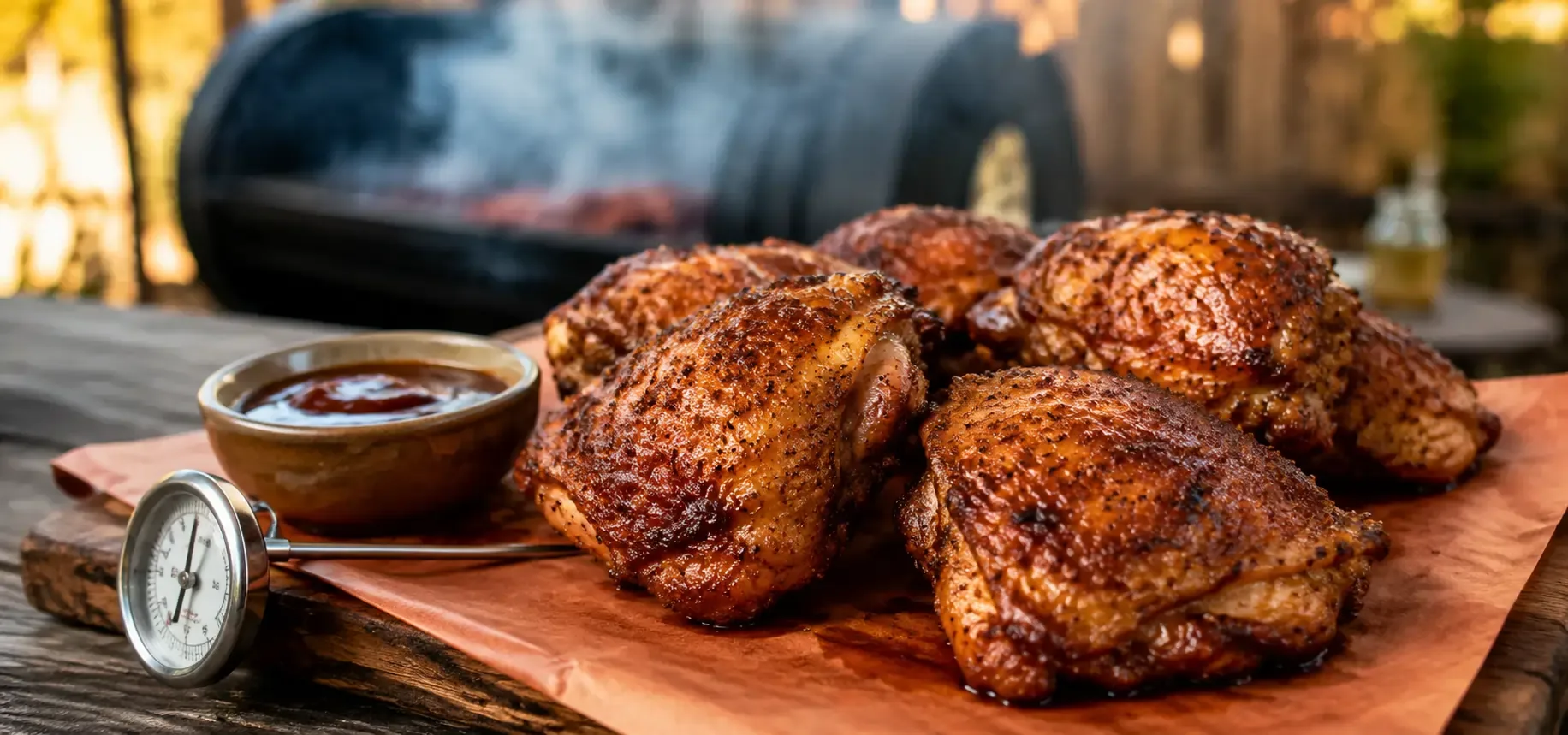
Crispy Skin on Smoked Chicken Thighs
Fix rubbery smoked chicken skin with dry skin, hotter cooking, better sauce timing, and a smart high-heat finish.
Fix Chicken Skin →
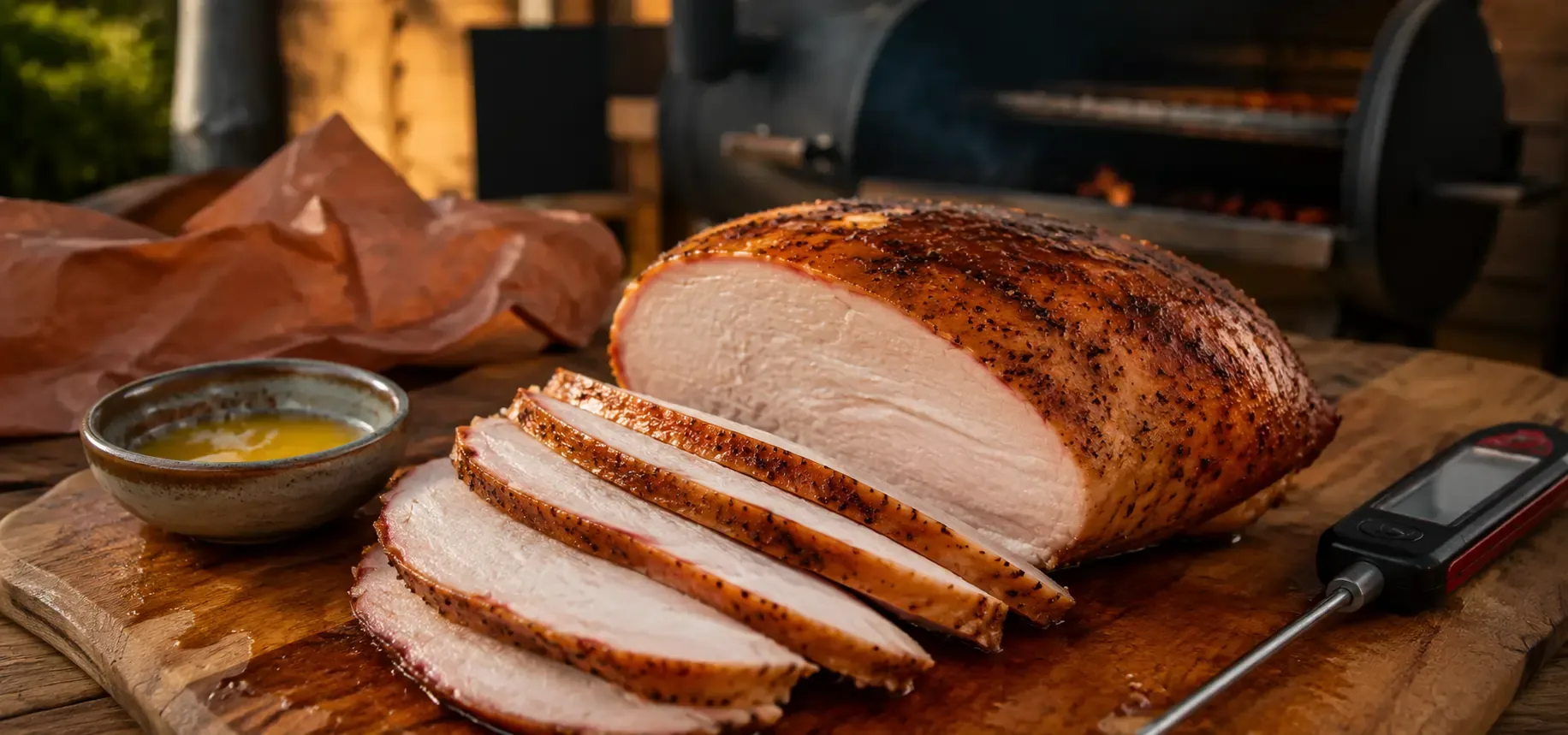
How to Keep Smoked Turkey Breast Moist
Keep smoked turkey breast juicy with brining, steady heat, butter, wrapping, internal temperature control, resting, and slicing.
Keep Turkey Moist →
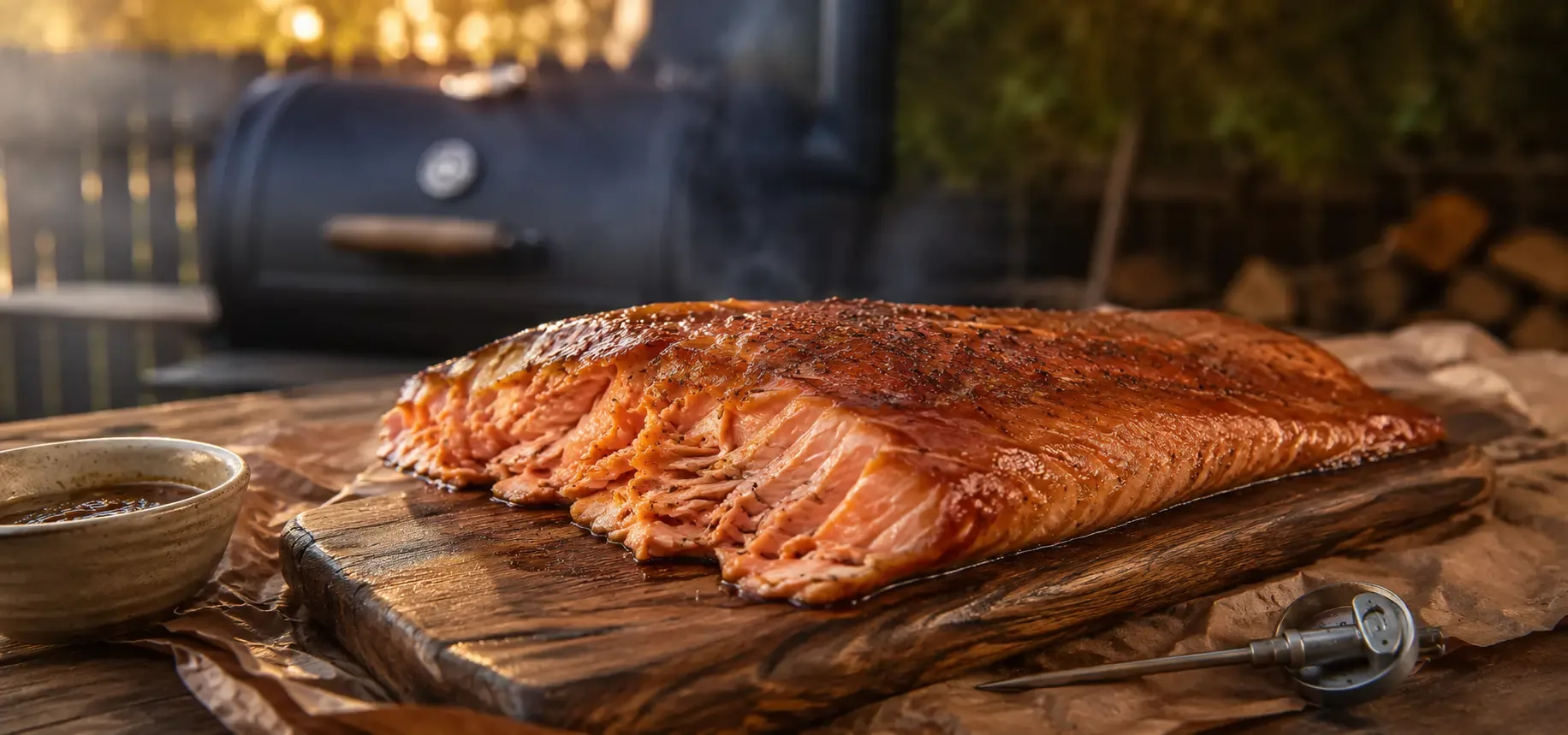
Why Is My Smoked Salmon Dry?
Learn why smoked salmon dries out and how to fix it with brine, pellicle formation, lower heat, temperature control, and gentle reheating.
Fix Dry Salmon →
Recipe mindset
BBQ recipes work better when the fundamentals are clear.
A recipe can tell you what to cook, but technique tells you how to adjust. Weather, smoker type, fuel, meat size, airflow, and temperature behavior all affect the final result. That is why every backyard BBQ recipe should be read with fire management in mind.
For better results
Use recipes as a roadmap, not a rigid timer.
BBQ timing changes from cook to cook. A brisket, pork shoulder, rack of ribs, turkey breast, salmon, or chicken wings can behave differently depending on size, fat content, smoker temperature, airflow, and weather. Use the recipe as a guide, but watch the food.
Before you cook
Understand the system behind the recipe.
The same recipe can produce different results on a pellet smoker, offset smoker, charcoal grill, or electric smoker. Learning how your equipment behaves will make every BBQ recipe more predictable.
Start here
Before following any BBQ recipe, understand temperature.
Internal temperature, carryover cooking, resting, and doneness cues affect almost every smoked meat recipe. The temperature chart is the best starting point before building out the full recipe library.