BBQ Smokers
Understand smoker basics before choosing your BBQ setup.
A smoker is more than a cooking box. Each backyard BBQ setup controls heat, smoke, airflow, fuel, and moisture differently. Learning smoker basics helps you choose the right equipment and cook with better control.
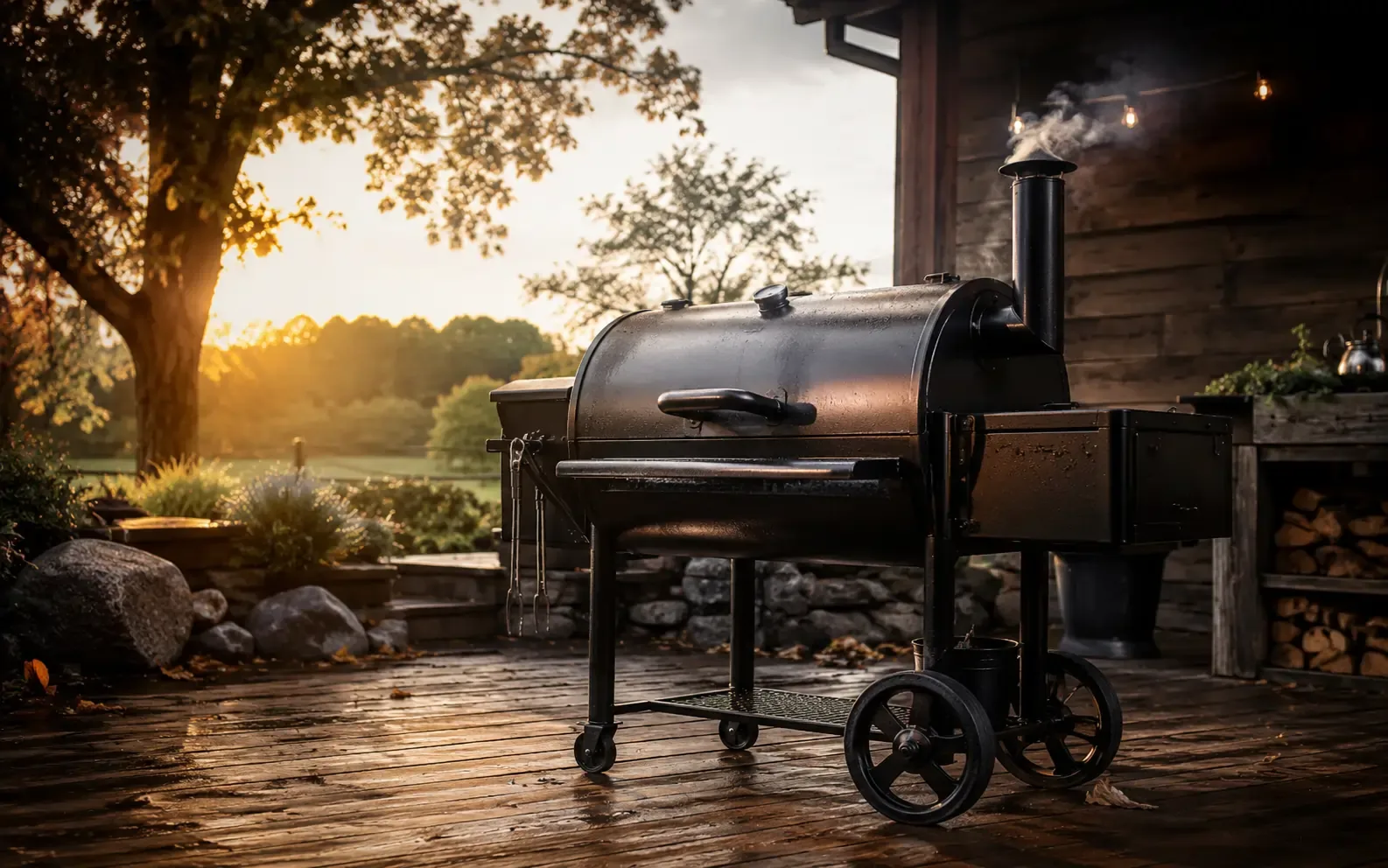
Smoker types
Popular backyard BBQ smoker setups.
Pellet Smoker Temperature Swings
Pellet smokers use electricity, a hopper, an auger, a fire pot, and wood pellets, but beginners still need to understand temperature swings, pellet quality, airflow, cleaning, lid control, and probe placement.
Fix Pellet Smoker Swings →
Offset Smoker Basics
Offset smokers use a separate firebox, live fire, airflow, wood splits, and clean smoke to build traditional BBQ flavor and bark.
Coming Later
Charcoal Grill Temperature Control
Charcoal grills can smoke, grill, sear, and roast when the fire is arranged correctly and airflow is managed with vents, lid position, charcoal amount, and heat zones.
Control Charcoal Heat →
Electric Smoker Basics
Electric smokers simplify heat control and can help beginners learn smoke timing, internal temperature, moisture, and basic BBQ technique.
Coming Later
Smoker troubleshooting
Fix the heat control problems beginners notice first.
Smoker problems usually come from airflow, fuel quality, lid openings, ash buildup, weather, thermometer placement, or misunderstanding how the cooker manages heat. These guides help beginners diagnose the cooker before blaming the recipe.
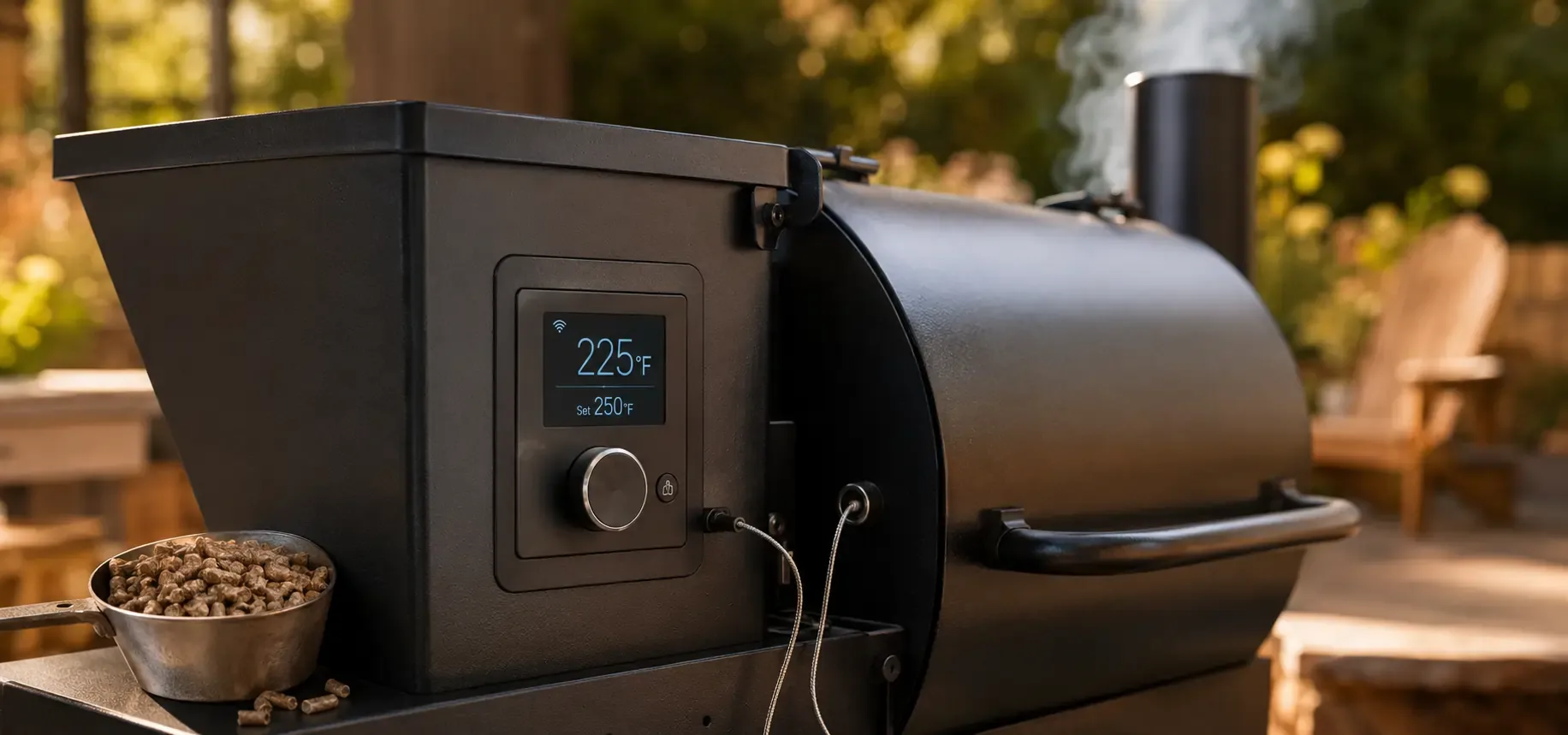
Pellet Smoker Temperature Swings
Learn what temperature swings are normal, what causes big pellet grill fluctuations, and how beginners can stabilize heat with better pellets, airflow, cleaning, lid control, and probe placement.
Fix Pellet Smoker Swings →
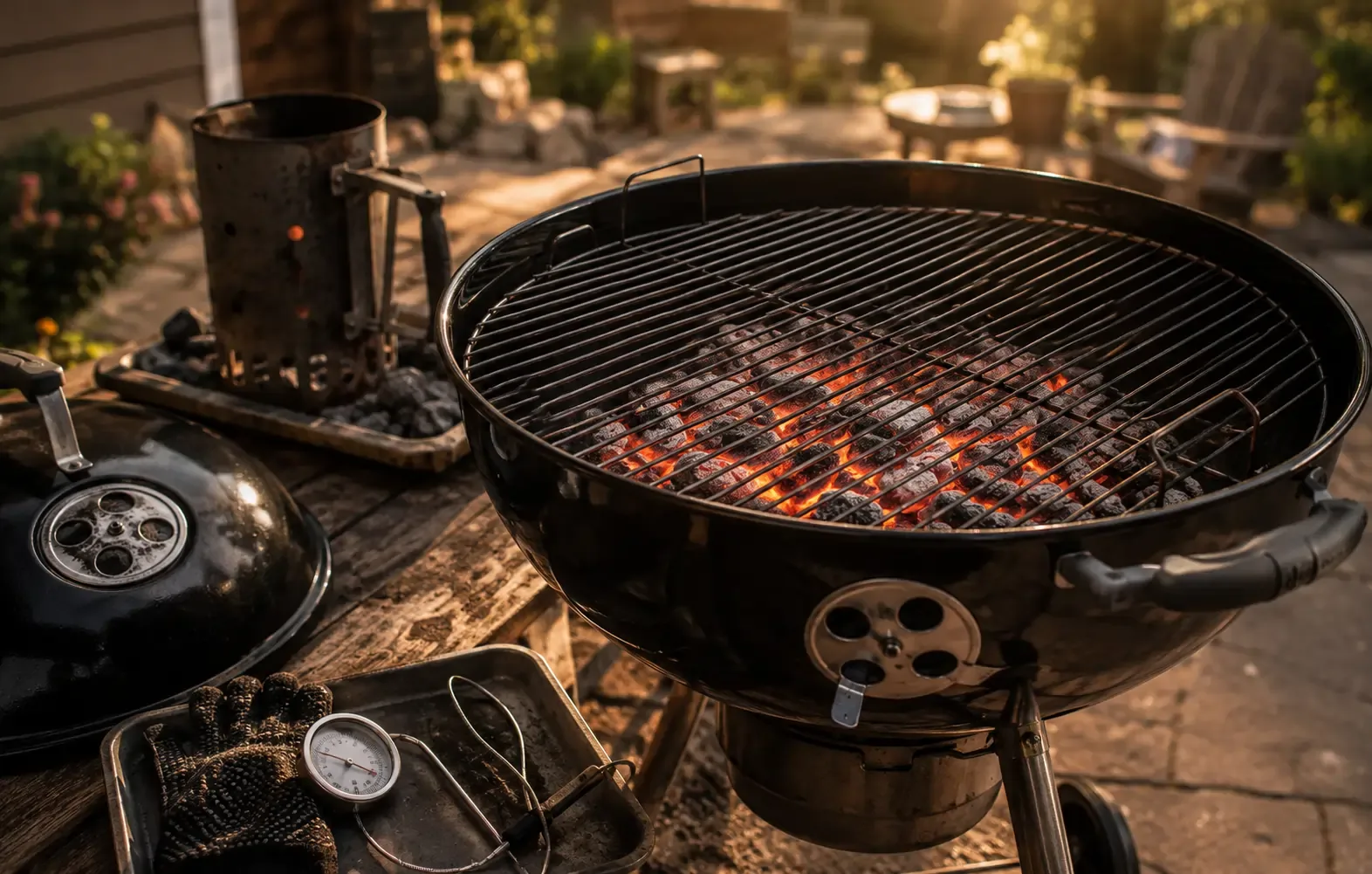
Control Temperature on a Charcoal Grill
Control live fire with vents, oxygen, charcoal amount, lid position, direct heat, indirect heat, two-zone cooking, thermometer placement, and ash management.
Control Charcoal Heat →
Smoker control
The best smoker is the one you understand.
Better BBQ does not come only from buying more expensive equipment. It comes from learning how your smoker behaves: how fast it heats up, how it reacts to vent changes, how fuel burns, where hot spots appear, and how smoke changes during the cook.
Before buying
Think about how you actually cook.
The right smoker depends on your space, budget, patience, schedule, fuel access, and preferred cooking style. A pellet smoker may be easier for convenience, while an offset smoker gives more hands-on fire control and traditional BBQ feel.
- Choose pellet smokers if you want convenience, but learn how temperature swings work.
- Choose offset smokers if you want hands-on fire management, wood splits, airflow control, and traditional BBQ feel.
- Use charcoal grills when you want flexible grilling, smoking, searing, and two-zone cooking.
- Consider fuel availability, cost, smoke flavor, and how much fire management you actually want.
After buying
Learn your smoker before chasing recipes.
Every smoker has a personality. Before relying on exact recipe times, learn how your cooker holds temperature, where the heat runs hotter, and how smoke changes when fuel and airflow change.
- Run a test cook to learn temperature behavior.
- Learn what pellet smoker temperature swings are normal.
- Practice charcoal grill temperature control with vents and heat zones.
- Track temperature at grate level and inside the meat.
- Notice how different fuels burn and smoke.
- Use simple recipes to practice before advanced cooks.
Smoker learning path
Learn the cooker, then control the cook.
Smoker basics connect directly to fire control, clean smoke, fuel choice, temperature stability, and doneness. Start with the equipment, then move into temperature, wood, and recipes.
Smoker Temperature Control
Learn how airflow, vents, fuel, lid openings, weather, and probe placement affect smoker temperature stability.
Learn Temperature Control →
PelletPellet Grill Temperature Fluctuations
Understand why pellet smokers rise and fall around the set point, when swings are normal, and what to check when heat becomes unstable.
Understand Pellet Swings →
CharcoalCharcoal Grill Temperature Control
Learn how oxygen, vents, charcoal layout, lid position, direct heat, indirect heat, and ash buildup affect live-fire temperature.
Control Charcoal Heat →
FuelWood, Charcoal, Pellets & Smoke
Understand how pellets, charcoal, chips, chunks, splits, and clean smoke affect heat, flavor, and fire behavior.
Explore Wood & Fuel →
TempSmoking Meat Temperature Chart
Use internal temperature, carryover cooking, resting, and doneness cues to make better decisions during a cook.
Open Temperature Chart →
CookBackyard BBQ Recipes
Practice smoker control with brisket, ribs, pork, chicken, turkey, salmon, and other backyard BBQ recipes.
Explore Recipes →
Pellet smoker problems
Convenience still needs control.
Pellet smokers are easier to run, but they still have temperature swings, startup smoke, airflow limits, pellet quality issues, ash buildup, lid-opening recovery, weather effects, and probe placement problems. Treat them like real cookers, not ovens with smoke.
Charcoal smoker problems
Airflow controls the fire.
Charcoal grills and smokers depend heavily on vent position, charcoal arrangement, fuel amount, ash buildup, lid openings, direct heat, indirect heat, and wind exposure. Small setup changes can completely change the cook.
Common smoker problems
Most smoker problems start with heat, airflow, fuel, or probe placement.
If a smoker runs too hot, drops too low, produces heavy smoke, burns fuel unevenly, or dries food before it gets tender, the cooker is giving you a signal. These guides help you diagnose the system instead of guessing.
Pellet Smoker Temperature Swings
Big pellet grill temperature swings can come from damp pellets, sawdust, ash buildup, airflow issues, lid openings, weather, probe placement, or startup mistakes.
Fix Pellet Swings →
CharcoalCharcoal Grill Too Hot or Not Hot Enough
Charcoal temperature problems usually come from oxygen, vent position, fuel amount, lid control, ash buildup, direct heat, or poor zone setup.
Control Charcoal Temperature →
HeatUnstable Smoker Temperature
Temperature swings usually come from airflow, fuel load, lid openings, vent changes, weather, or probe placement.
Fix Smoker Temperature →
SmokeHeavy or Dirty Smoke
Bad smoke can make barbecue bitter. Learn how fuel choice, fire size, airflow, and clean combustion affect flavor.
Learn Clean Smoke Basics →
Next step
Learn how to control smoker temperature.
Smoker temperature control is the skill that connects equipment, airflow, fuel, vents, probe placement, weather, and food. Once that makes sense, every smoker becomes easier to use.