Char-Broil brand overview
Char-Broil Grills: Fuel Types, Cooking Formats, and Support Checks
Navigate Char-Broil gas, charcoal, electric, smoker, infrared-system, and portable choices without treating every model alike.
Quick answer
Char-Broil should be evaluated by exact cooker format and model documentation, not by the brand name alone. First choose the fuel and installation type that fit your routine. Then verify cooking geometry, controls, cleaning access, required clearances, included equipment, manual, parts support, and written warranty terms for the complete model number.
This page is a brand-level decision guide. It does not rank models, report hands-on results, or claim that one format is best for every cook. Current products, specifications, documentation, and support terms can change, so the official US sources linked below are the final check.
Char-Broil product families
Char-Broil has historically covered gas grills, charcoal cookers, electric products, smokers, and portable formats. Some gas products use a branded infrared cooking-system description, but that term should be read through the exact product page and manual rather than treated as a universal specification. Burner layout, grate construction, firebox arrangement, ignition, storage, and grease collection can differ within the same broad category.
Choose a format by the routine it creates. Gas prioritizes fast burner control and fuel-system inspection. Charcoal adds fire building, vent adjustment, and ash disposal. Electric equipment depends on a suitable electrical connection and the limits stated in its manual. Smokers may use different fuels and control approaches, so the word “smoker” alone does not define how a unit operates.
Fuel and cooking approach
For gas equipment, first confirm whether the exact appliance is configured for propane or natural gas. Do not infer that it is convertible from a similar-looking model. The rating label, product documentation, and installation instructions govern fuel type, regulator, hose, leak-check procedure, and any authorized conversion. Burner count is also not a standalone measure of useful heat distribution.
Charcoal products rely on controllable airflow and safe ash handling. Electric products require compliance with the manual’s outlet, circuit, cord, and weather guidance. If a listing describes an infrared system, verify which components create that system and how they are cleaned. The label can indicate a cooking approach, but it does not prove evenness, speed, or food quality for every model.
Cooking surface, footprint, and format
Look beyond total cooking-area figures. Ask how much primary grate space is available, whether a warming rack blocks access, how high the closed lid sits over food, and whether side shelves must be raised during use. A compact footprint can expand substantially once handles, shelves, lid travel, tank access, and grease-tray removal are considered.
Portable equipment still needs a stable, permitted surface and the clearances in its instructions. A cart grill needs enough room to reach the fuel cylinder, grease system, and cabinet. Built-in assumptions should never be made from appearance; use only equipment specifically documented for built-in installation and follow its enclosure and ventilation requirements.
Controls, maintenance, parts, and support
Gas-grill upkeep commonly includes cleaning grates and interior surfaces as directed, clearing grease pathways, inspecting burner ports, and checking ignition and fuel connections. Charcoal care adds ash removal after it is fully extinguished and cooled. Electric and smoker maintenance varies with heating elements, controllers, water or grease pans, and sensors. Use the exact manual instead of a generic cleaning schedule.
Support begins with identification. Record the model and serial number, retain the purchase record, and download the matching manual while it is easy to find. When ordering parts, compare the official part reference with the complete model identity; similar family names do not guarantee interchangeable burners, grates, igniters, or grease trays.
How to verify warranty and service terms
Do not apply a warranty statement from one Char-Broil product to the entire brand. Coverage can differ by model, component, purchase date, region, use, registration status, and other written conditions. Read the current warranty document associated with the exact product before buying. Note the coverage periods by component, exclusions, required maintenance, claim procedure, proof-of-purchase rules, and who pays for labor, shipping, removal, or reinstallation when those topics are addressed.
Also separate warranty coverage from parts availability and dealer service. A part shown in a diagram is not necessarily in stock, and a warranty does not automatically promise local labor. Confirm the support channel, documentation, and service route that apply to your location. Keep the receipt, model and serial record, manual, and installation documents together.
Questions to answer before buying
- Is the exact unit propane, natural gas, charcoal, electric, or another configuration?
- What does the listed cooking system include on this model?
- Can the grease tray and firebox be reached without moving the grill?
- What operating footprint is needed with shelves and lid open?
- Are the manual and parts diagram available for the full model number?
- Does the planned location satisfy electrical, fuel, and clearance rules?
Use written answers from the exact product page, manual, rating label, parts records, and warranty terms. If a retailer description conflicts with manufacturer documentation, pause and ask the manufacturer or an authorized service channel to clarify the complete model identity.
Frequently asked questions
What does infrared mean on a Char-Broil grill?
It refers to a cooking-system design used on certain products. Components and cleaning directions vary, so consult the exact product page and manual rather than assuming every Char-Broil grill uses the same system.
Can every Char-Broil gas grill be converted to natural gas?
Do not assume so. Fuel configuration and any permitted conversion are model-specific. Verify the rating label, official instructions, and support guidance before changing any fuel component.
Where can I find Char-Broil parts and manuals?
Use the official support system with the complete model number and serial information. Confirm that a part listing matches the exact unit before ordering.
Is this a hands-on Char-Broil review?
No. We did not cook on, measure, rate, or compare specific models. This page organizes official product and support information into buyer checks.
Evidence and methodology
Evidence status: Research-backed, not hands-on tested. We organized manufacturer catalog, manual, support, parts, and warranty questions around the governed topic for Char-Broil. Official product documentation is the authority for current claims. Search-result snippets, retailer copy, and community discussion are not treated as proof of performance, reliability, popularity, or prevalence.
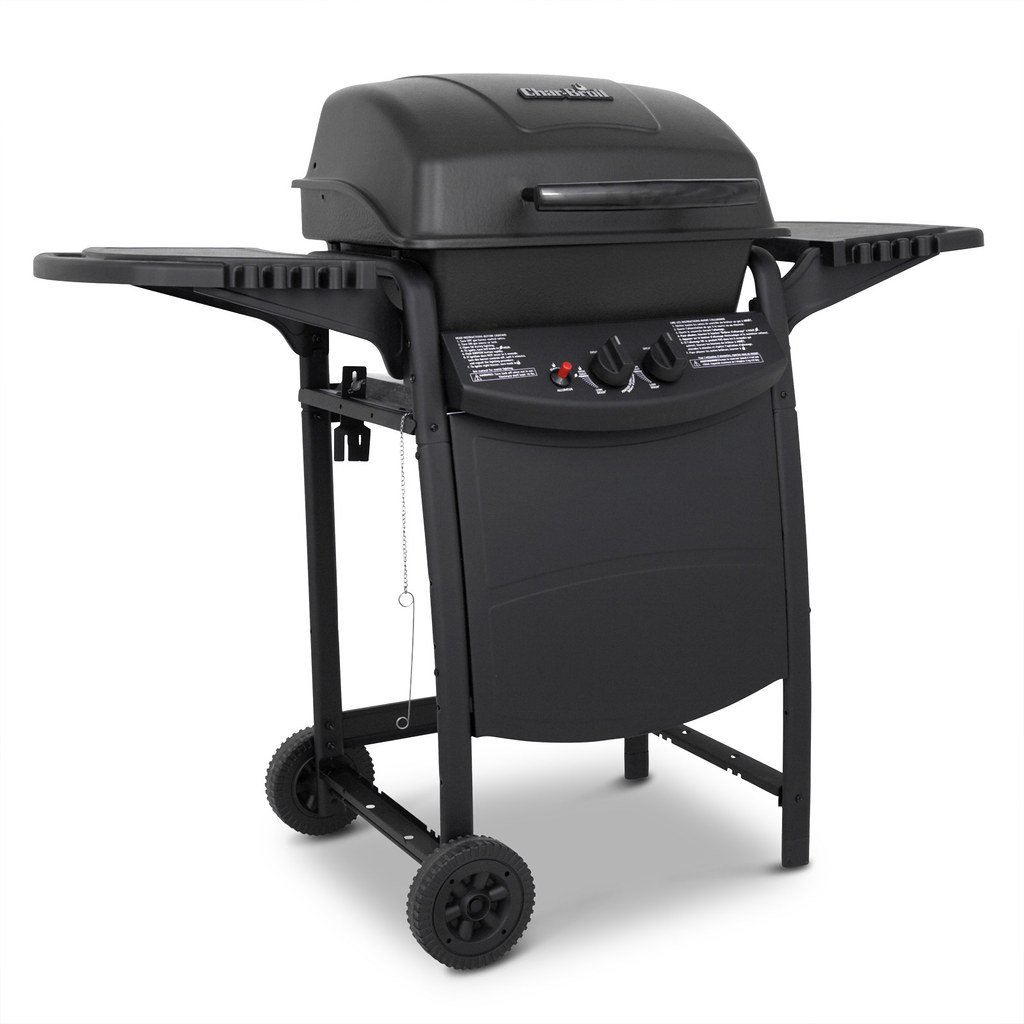
Limitations: We did not assemble, install, ignite, cook on, clean, photograph, measure, or compare a Char-Broil unit. We did not verify a current price, inventory level, promotion, model lineup, warranty outcome, or local service availability. The hero image is editorial illustration and is not evidence of our use. Recheck the exact US model documentation and obtain qualified installation help when the manual or local requirements call for it.
Official sources to verify
Accessed for editorial preparation on August 13, 2026. Recheck the current page, exact model manual, rating information, and written terms before making a purchase or installation decision.
Bottom line
The useful comparison is not whether Char-Broil is broadly “good.” It is whether a documented product format fits your fuel, space, cooking geometry, cleanup tolerance, storage, service access, and installation constraints. Verify those points against the exact model before committing.