Napoleon brand overview
Napoleon Grills: Gas, Charcoal, Electric, Built-In, and Support Checks
Compare Napoleon equipment by fuel, installation format, burner layout, cooking geometry, maintenance access, and model-specific documents.
Quick answer
Napoleon includes multiple outdoor-cooking formats, so first separate freestanding gas, built-in gas, charcoal, electric, and portable equipment. Verify fuel configuration, installation dimensions, controls, included components, cleaning access, manuals, and warranty language for the exact US model.
This is a brand-level decision guide, not a hands-on review, rating, current-catalog promise, or buying recommendation. Product names and configurations can change. Use the manufacturer’s current US materials and the exact model identifier before purchase, installation, maintenance, or a support request.
Napoleon equipment families
Napoleon searches can surface freestanding carts, built-in heads for outdoor kitchens, charcoal cookers, electric products, and portable formats. The decision changes substantially across those categories. A built-in is an installation project; a cart includes mobility and storage considerations; charcoal uses airflow; electric equipment introduces outlet and circuit requirements.
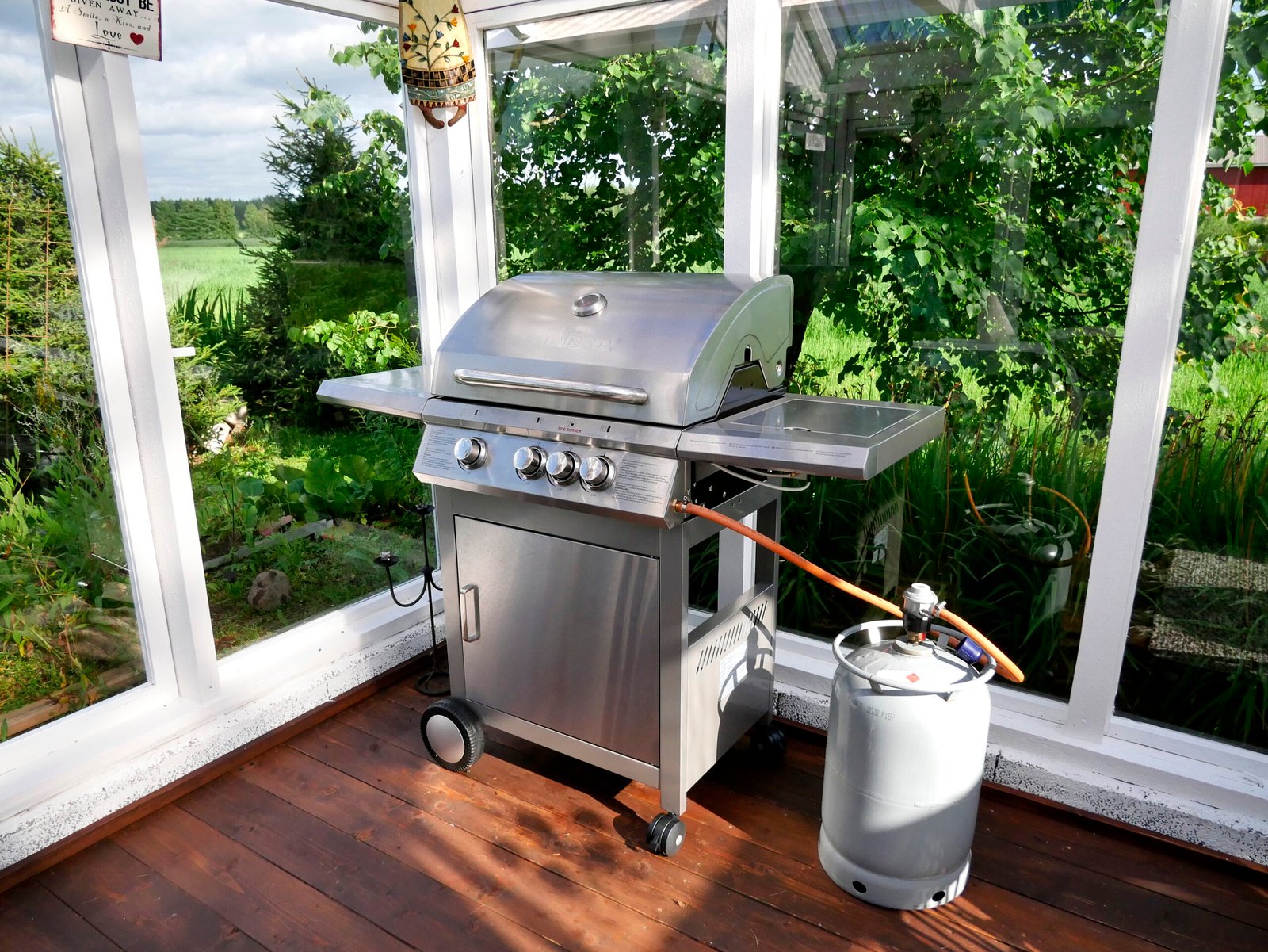
Even within gas equipment, burner count alone does not describe the cooking system. Compare burner placement, main-grate geometry, any documented side or rear cooking functions, hood clearance, controls, and what is actually included. Family-level descriptions should never replace the exact specification sheet and manual.
Fuel and cooking system
For gas, identify propane or natural gas exactly as configured by the manufacturer. Confirm hose, regulator, cylinder-area, shutoff, and connection requirements from official documents. Never plan a fuel conversion or built-in connection based on a retailer Q&A. Use qualified installation help where the manual or local requirements call for it.
Charcoal models are managed through fuel layout and airflow rather than burner valves. Electric models depend on a compliant power source and prescribed outdoor placement. Choose based on the controls and infrastructure you are willing to manage, not an assumption that one fuel is universally superior.
Cooking area, footprint, and installation
A freestanding cart needs a stable route, usable wheel arrangement, and space for side surfaces and the open lid. A built-in requires a precise cutout, ventilation strategy, noncombustible context where specified, service access, and clearances. Those values are model-specific and should be read directly from the current installation manual before cabinetry is built.
For cooking capacity, inspect the main grate’s dimensions and burner zones. Determine whether a secondary rack or side cooking area supports the way you actually cook. A large aggregate number can hide a narrow primary surface. For portable or electric equipment, verify permitted surfaces and locations instead of assuming compact size relaxes safety rules.
Controls and maintenance
Gas valves usually divide the main surface into controllable zones, while additional documented burners or cooking stations may have separate lighting and shutdown instructions. Charcoal vents and electric controls behave differently. Read the sequence for ignition or startup, preheating, shutdown, and abnormal conditions before evaluating convenience.
Maintenance begins with access. Trace grease from the cookbox to the collection component and see how it is removed. Review instructions for grates, burner ports, ignition areas, flame screens or similar components where present, charcoal ash, and exterior finishes. Use only cleaning methods authorized for the material and model.
Manuals, replacement parts, and support
A correct model number is essential because visually similar Napoleon grills can use different dimensions or components. Locate the rating label as instructed, save the serial number, and download the matching manual. For a built-in, preserve the installation documentation with the outdoor-kitchen plans so future service does not depend on memory.
Warranty wording can vary by product and component and may include conditions or exclusions. Read the current written terms rather than relying on a slogan. Confirm support and replacement-part questions with Napoleon’s official US channels, providing the complete identifier and purchase record.
Use the official site as the authority for current documentation. A search result, marketplace listing, old PDF, or community post may help you discover a term, but it cannot establish today’s specification, availability, warranty, or approved procedure. If official documents conflict, ask manufacturer support to resolve the discrepancy in writing before acting.
Questions to answer before buying
- Is this a cart, built-in, charcoal, electric, or portable installation?
- Is the gas configuration exactly right for the planned fuel supply?
- Do the primary grate and burner zones fit my cooking pattern?
- Can grease and service areas be reached after installation?
- Are cutout, ventilation, and clearance values confirmed in the exact manual?
- Which included components and written terms are shown for this SKU?
Write the answers beside the exact model number. That simple record prevents comparisons from drifting between similar-looking products, packages, markets, or model years.
Frequently asked questions
What is the first decision when comparing Napoleon grills?
Choose the equipment and installation type first. A built-in gas head, freestanding cart, charcoal cooker, electric grill, and portable unit have different infrastructure and maintenance needs.
Can I use approximate built-in dimensions?
No. Cabinetry and ventilation planning should follow the current installation manual for the exact model. Preserve service access and follow local requirements.
Does an extra burner come with every Napoleon grill?
Do not assume so. Burner layouts, side functions, rear functions, and included accessories differ. Confirm each feature on the exact US product page and manual.
Where should warranty details be checked?
Read Napoleon’s current written warranty for the exact product and market. Keep model, serial, and proof-of-purchase information for support.
Evidence and limitations
This page organizes buyer questions around the governed entities for Napoleon grills: equipment type, fuel, format, controls, maintenance, manuals, replacement parts, warranty, and support. It does not report hands-on testing, owner-review prevalence, reliability rates, prices, ratings, deals, availability, or a complete current catalog.
Community discussions can reveal useful questions—such as cleanup access, usable cooking geometry, power dependency, ceramic handling, or weather exposure—but anecdotes are not proof of performance or failure frequency. Specifications and procedures should be verified in current official US product pages, manuals, parts tools, support material, and written warranty terms.
Bottom line
Choose Napoleon equipment by the system you are prepared to operate and maintain, not by brand familiarity alone. The most defensible shortlist is the one that fits your fuel access, cooking geometry, placement, cleaning routine, and ability to retrieve model-specific documentation and support.