BBQ Guides
Learn the BBQ fundamentals that make every cook better.
Backyard BBQ is easier when you understand the basics first: fire control, smoke quality, airflow, smoker temperature, meat doneness, resting, slicing, and timing. These guides are built to help home cooks make better barbecue with less guessing.
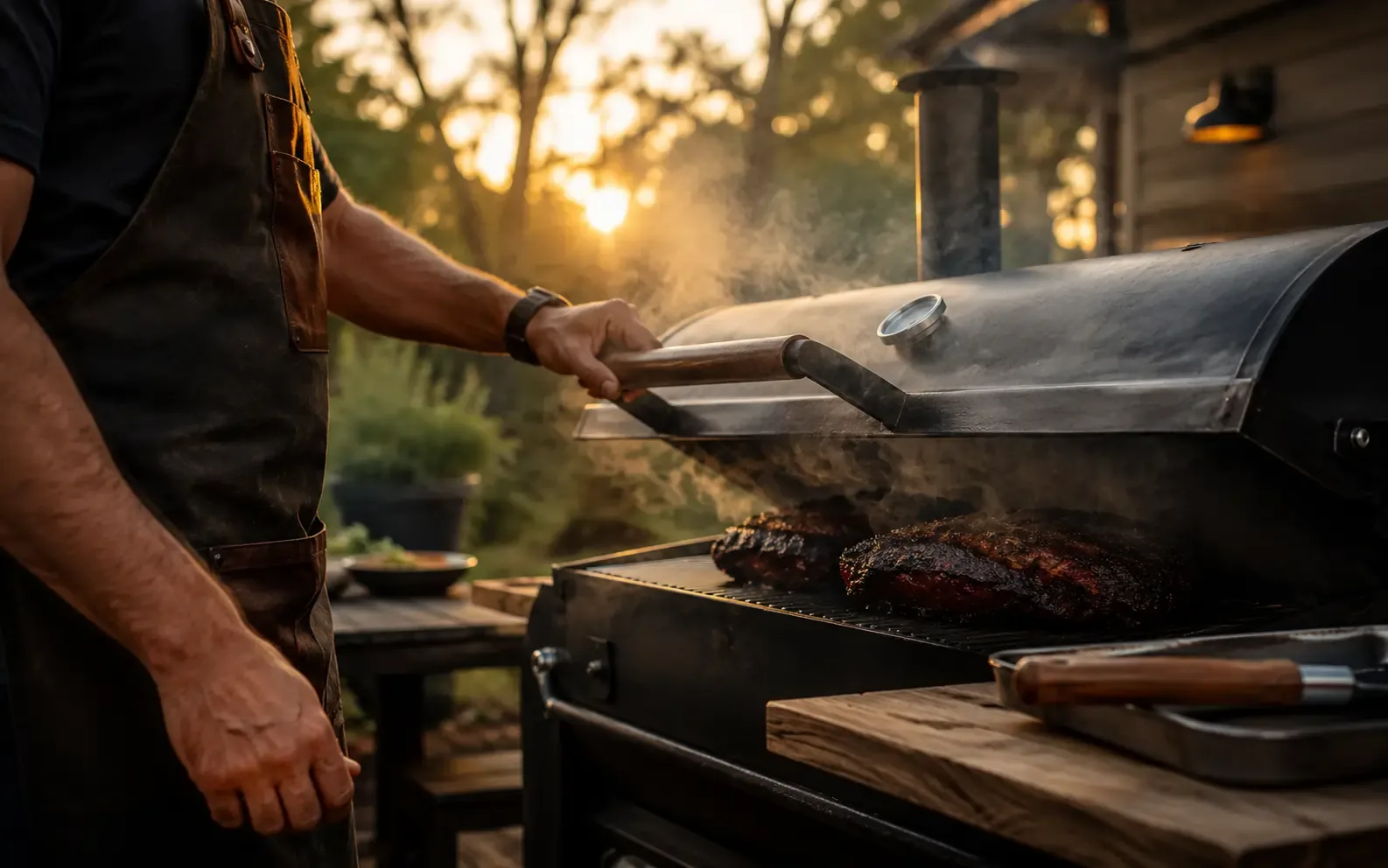
Start here
Core BBQ skills to learn first.
Smoker Temperature Control
Learn how airflow, vents, fuel, lid management, and thermometer placement affect smoker temperature stability.
Read the guide →
02Smoking Meat Temperature Chart
Understand safe internal temperatures, doneness cues, resting, carryover cooking, and when meat is actually ready.
Open temperature chart →
03Wood, Smoke & Fuel Basics
Learn how wood chunks, charcoal, pellets, smoke quality, and fire behavior influence flavor and heat control.
Explore wood & fuel →
04Smokers & Grill Basics
Understand the differences between pellet smokers, offset smokers, charcoal grills, electric smokers, and backyard setups.
Explore smokers →
Essential smoking guides
Use these guides to build your first serious BBQ foundation.
These practical guides connect fire control, smoke quality, temperature, bark, tenderness, wrapping, resting, and slicing. Start here before chasing advanced recipes or gear upgrades.
How to Control Smoker Temperature
Learn how to manage airflow, vents, fuel, lid openings, probes, and temperature swings during a backyard BBQ cook.
Open Temperature Control Guide →
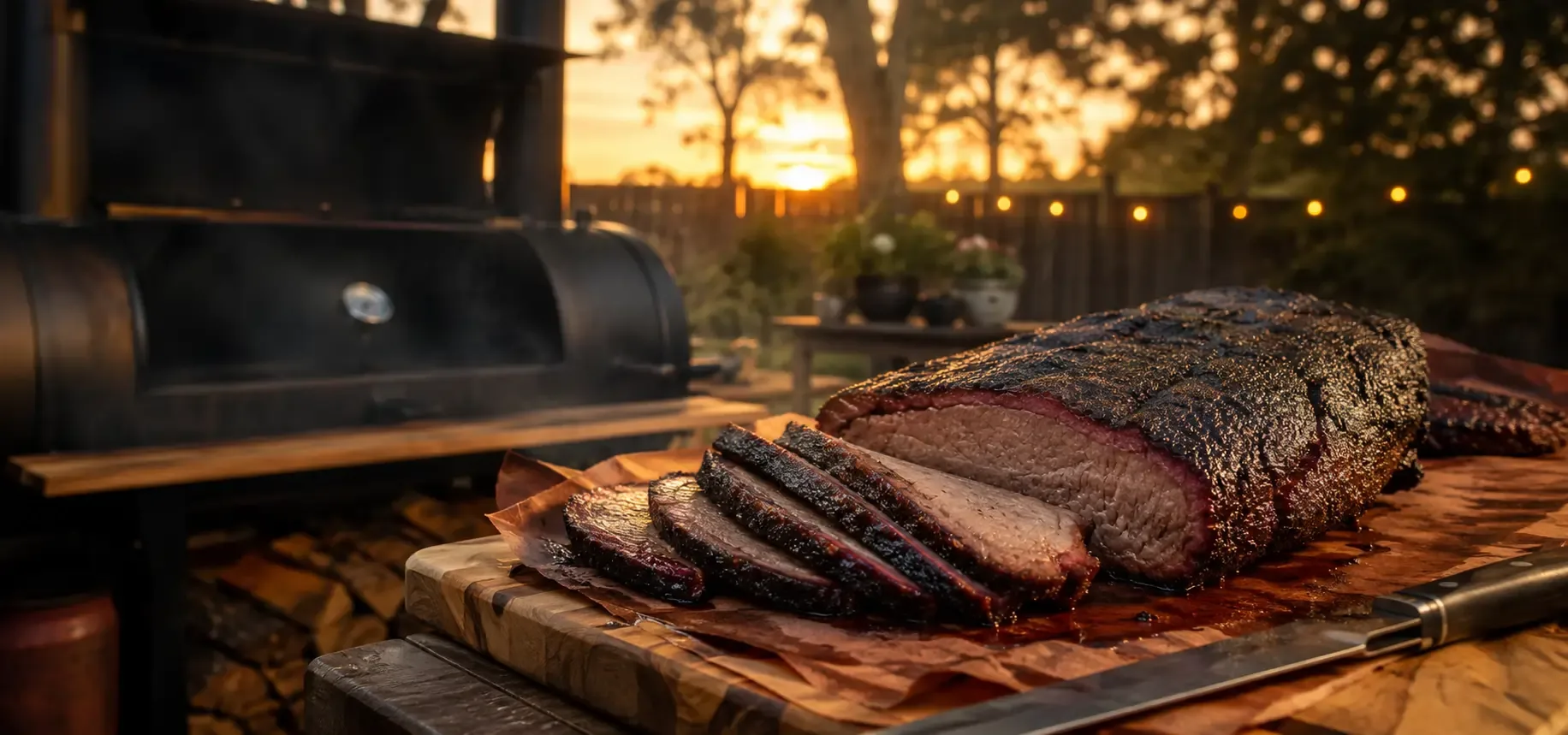
How to Smoke Brisket
Learn brisket fundamentals: trimming, rub, clean smoke, bark, stall, wrapping, tenderness, resting, and slicing.
Open Brisket Guide →
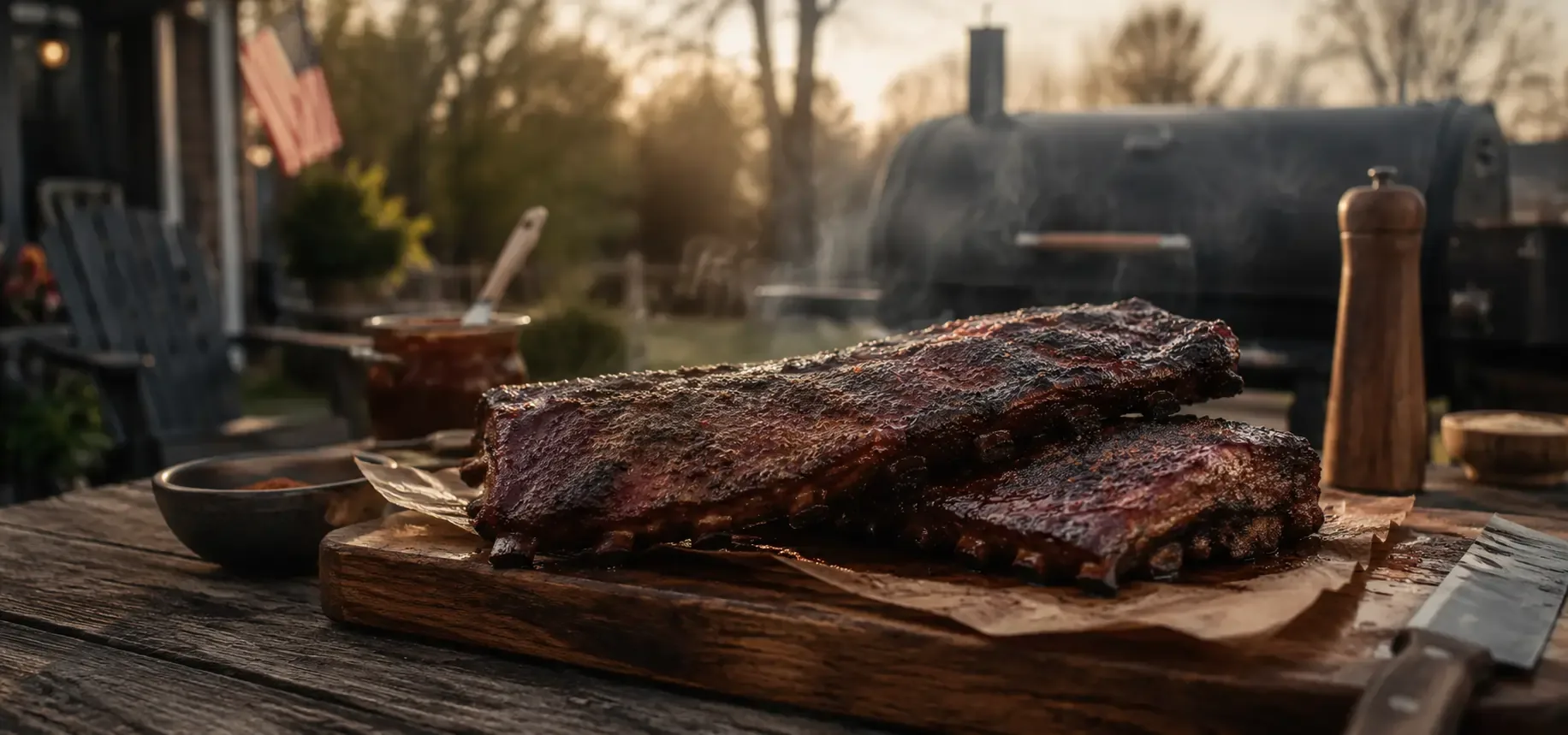
How to Smoke Ribs
Smoke better ribs by understanding tenderness, wrapping, bark, moisture, timing, temperature, and doneness cues.
Open Rib Smoking Guide →
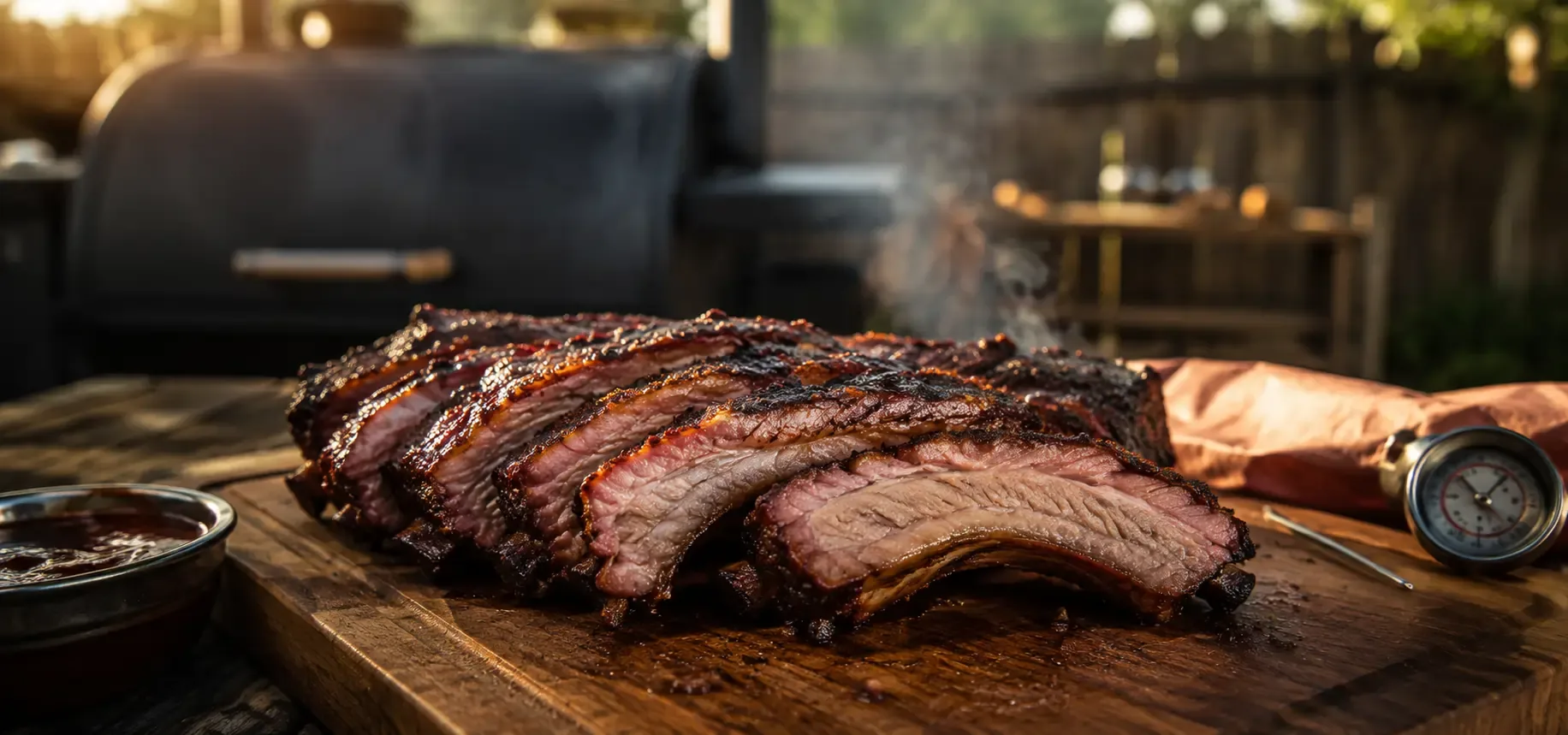
Smoke Ribs Without Drying Out
Fix dry smoked ribs with better rack selection, steady heat, moisture control, wrapping, tenderness checks, resting, and reheating.
Fix Dry Ribs →
BBQ learning path
Better barbecue comes from controlling the system.
Great BBQ is not only about recipes. It is about managing heat, smoke, airflow, time, moisture, and doneness together. Once those basics make sense, every recipe becomes easier to repeat.
For beginners
Start with control, not complicated recipes.
If you are new to BBQ, begin with temperature, smoke quality, and simple fire management. Those skills help you avoid dry meat, dirty smoke, unstable heat, and rushed cooking decisions.
For improving cooks
Build repeatable BBQ habits.
Once the basics are clear, the goal is consistency. Track temperature behavior, fuel use, weather conditions, cook time, and final texture so each backyard cook teaches you something useful.
Common BBQ problems
Most BBQ mistakes come from heat, smoke, timing, moisture, or doneness.
If your smoker runs too hot, the fire keeps choking out, the smoke turns heavy and white, or the meat dries out before it gets tender, the problem is usually part of the cooking system. These guides help you diagnose that system instead of guessing.
Unstable Smoker Temperature
Temperature swings usually come from airflow, fuel load, lid openings, vent changes, weather, or probe placement.
Fix smoker temperature →
SmokeHeavy or Dirty Smoke
Bad smoke can make barbecue bitter. Learn how fuel choice, fire size, airflow, and clean combustion affect flavor.
Learn clean smoke basics →
DonenessGuessing When Meat Is Done
Internal temperature helps, but tenderness, carryover cooking, resting, and texture matter too.
Use the temperature chart →
MoistureDry Smoked Ribs
Dry ribs usually come from thin racks, too much heat, too much time, poor wrapping, weak moisture control, or bad reheating.
Fix dry ribs →
Next guide
Start with smoker temperature control.
The next practical step is learning how to keep a smoker stable. Temperature control affects smoke quality, cooking time, bark formation, tenderness, moisture, and how predictable your BBQ becomes.