Traeger brand overview
Traeger Grills: Pellet Systems, Controls, Sizing, Cleaning, and Support
A practical framework for comparing Traeger pellet cookers without treating connectivity, capacity, or a family name as proof of performance.
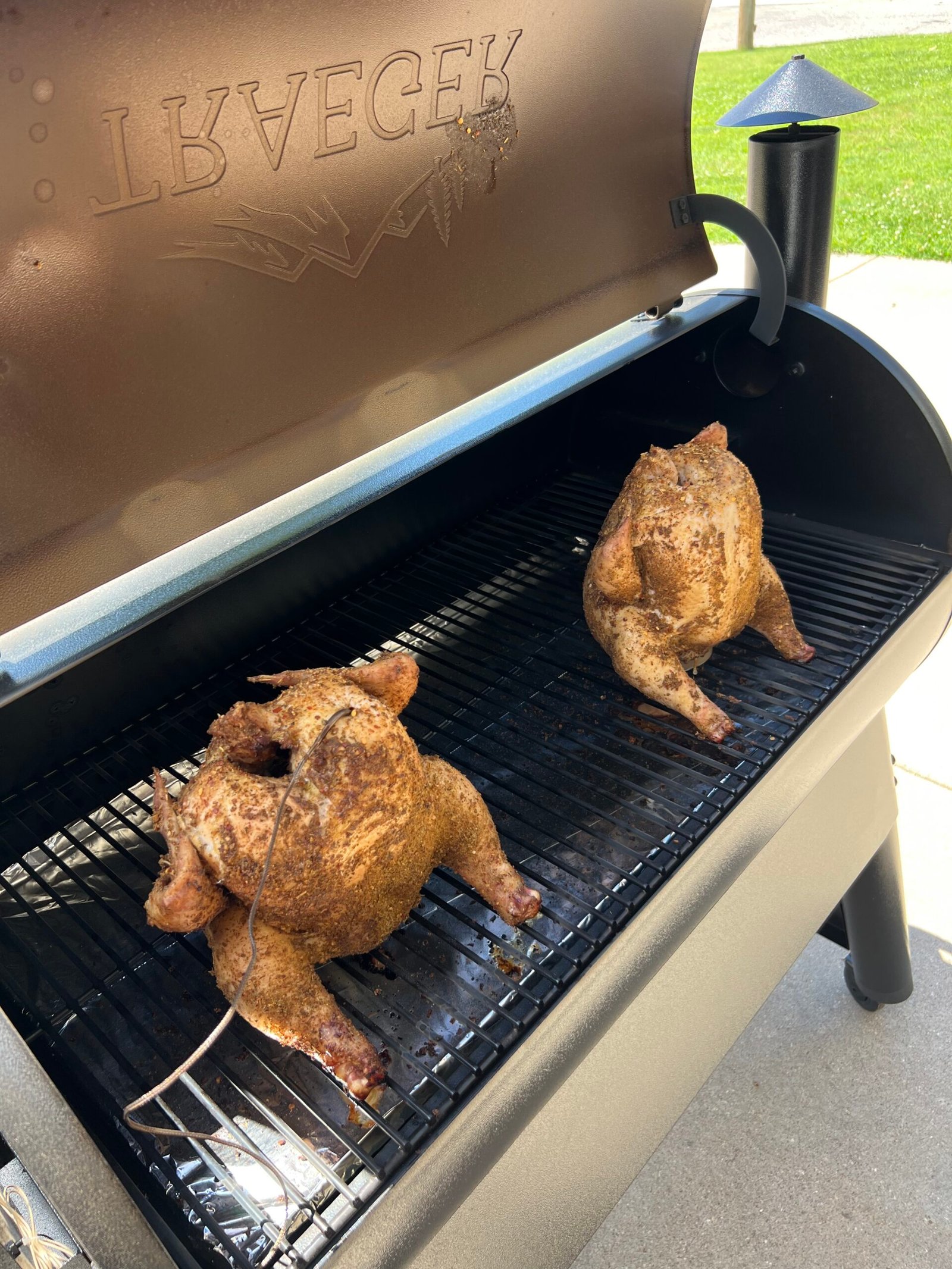
Quick answer
Traeger primarily belongs in the pellet-grill category. Compare the exact cooker by primary rack geometry, controller and probe provisions, hopper and grease access, electrical needs, cleanup instructions, and official parts and warranty documentation.
This is a brand-level decision guide, not a hands-on review, rating, current-catalog promise, or buying recommendation. Product names and configurations can change. Use the manufacturer’s current US materials and the exact model identifier before purchase, installation, maintenance, or a support request.
Traeger equipment families
Traeger’s identity centers on pellet-fired outdoor cookers, but that does not make every unit interchangeable. Cabinet volume, rack arrangement, cart footprint, hopper access, controller interface, storage, and included equipment can differ. Use the current US catalog to identify the relevant family, then switch to the exact model code for every consequential detail.
A larger headline capacity can reflect multiple levels rather than one uninterrupted grate. A connected controller can change monitoring convenience, while construction and packaging details may vary separately. Avoid inferring a feature simply because a different product in the same family or a retailer bundle includes it.
Fuel and cooking system
A pellet grill stores fuel in a hopper and moves pellets toward a fire pot with an auger. A fan supports combustion while a controller coordinates operation. That system needs electricity as well as pellets. Before choosing a location, account for a suitable outdoor power arrangement and the manufacturer’s placement and weather instructions.
Pellet choice and storage are ownership considerations. Follow official guidance for compatible fuel, keep pellets as directed, and avoid treating a marketing flavor label as a guaranteed result. Damp or compromised fuel can create handling problems, so the storage routine matters even when the cooker itself remains covered.
Cooking area, footprint, and installation
Compare the primary grate first. Note its width, depth, access, and distance from upper racks. Ask whether a tall roast, pan, or tray fits with the rack configuration you intend to use. Multi-rack area can be valuable for batches, but it is not the same as a single broad searing or pan surface.
The operating footprint includes the open lid, hopper, chimney or exhaust area where applicable, shelves, cord path, and room needed to remove grease components. Check wheel and caster arrangement for the surface on which the cooker will move. Pellet grills are outdoor appliances; official clearance and location rules take priority over patio convenience.
Controls and maintenance
The controller is a system interface, not a substitute for reading the manual. Verify the available settings, startup and shutdown cycle, probe connections, display behavior, and what the instructions say about interrupted power. If a model offers Wi-Fi or app functions, confirm device compatibility and support information through current official resources.
Cleaning involves more than brushing a grate. Review how the manual addresses grease channels, drip trays, liners if authorized, ash around the fire pot, interior residue, probe care, and hopper handling. Identify which tasks require the cooker to be cool and disconnected. An easy-to-reach grease bucket does not mean the internal path can be ignored.
Manuals, replacement parts, and support
Pellet cookers combine mechanical, electrical, and consumable-contact components. Before buying, locate the manual and determine how Traeger identifies the controller, probes, fan, auger system, fire pot, grease components, racks, and body hardware for the exact unit. This is a documentation check, not a prediction that any part will fail.
For help, retain the model, serial number, purchase information, and clear description of the issue. Check official troubleshooting before disassembly. Firmware, app, and controller questions may require a different support path from a physical replacement part, so use the manufacturer’s current instructions rather than an old forum procedure.
Use the official site as the authority for current documentation. A search result, marketplace listing, old PDF, or community post may help you discover a term, but it cannot establish today’s specification, availability, warranty, or approved procedure. If official documents conflict, ask manufacturer support to resolve the discrepancy in writing before acting.
Questions to answer before buying
- Is an electrical outlet practical at the intended outdoor location?
- Does the primary grate fit my pans without depending on upper-rack totals?
- Can I access the fire-pot area and full grease route for prescribed cleaning?
- What controller, probe, and connectivity features are documented for this SKU?
- Where will pellets be stored according to official guidance?
- Can I retrieve the model-specific manual, parts, and warranty language now?
Write the answers beside the exact model number. That simple record prevents comparisons from drifting between similar-looking products, packages, markets, or model years.
Frequently asked questions
Is a Traeger a gas grill?
Traeger is primarily associated with pellet-fired cookers. A pellet system uses stored pellets, an auger, combustion airflow, a controller, and electrical power rather than gas burners.
Does Wi-Fi determine cooking quality?
No. Connectivity is a monitoring and control convenience. It does not by itself establish temperature accuracy, food quality, reliability, or suitability for your routine.
What should I clean on a pellet grill?
Follow the exact manual for grates, grease channels and collection, drip components, ash and fire-pot areas, probes, and exterior surfaces. Cool and disconnect the unit as directed.
How do I verify a Traeger feature?
Match the complete model number to Traeger’s current US product page and manual. Confirm included items and support terms there rather than extrapolating from another family member.
Evidence and limitations
This page organizes buyer questions around the governed entities for Traeger grills: equipment type, fuel, format, controls, maintenance, manuals, replacement parts, warranty, and support. It does not report hands-on testing, owner-review prevalence, reliability rates, prices, ratings, deals, availability, or a complete current catalog.
Community discussions can reveal useful questions—such as cleanup access, usable cooking geometry, power dependency, ceramic handling, or weather exposure—but anecdotes are not proof of performance or failure frequency. Specifications and procedures should be verified in current official US product pages, manuals, parts tools, support material, and written warranty terms.
Bottom line
Choose Traeger equipment by the system you are prepared to operate and maintain, not by brand familiarity alone. The most defensible shortlist is the one that fits your fuel access, cooking geometry, placement, cleaning routine, and ability to retrieve model-specific documentation and support.