Brand comparison guide
Outdoor Cooking Brands and Manufacturer Guides
Navigate outdoor cooking brands by fuel, cooker format, controls, maintenance, documentation, and verifiable support—not by an unsupported ranking.
Brand guides
Explore outdoor cooking brands.
Browse the governed manufacturer guides by product families, cooking formats, controls, maintenance, manuals, parts, warranty terms, and support. Scheduled guides become links when their public pages are available.
Weber
Charcoal and gas cooker families, formats, manuals, parts, maintenance, and support.
Open guide →
Traeger02Traeger
Pellet cooker families, controller workflows, cleaning, parts, manuals, and support.
Open guide →
Napoleon03Napoleon
Gas and charcoal families, cooking formats, maintenance, documentation, and support.
Open guide →
Big Green Egg04Big Green Egg
Ceramic kamado formats, sizing, accessories, care, manuals, and written support.
Open guide →
Kamado Joe
Ceramic kamado formats, controls, accessories, care, documentation, and support.
Guide in review
Pit Boss
Pellet, griddle, and grill families, controls, maintenance, manuals, and support.
Open guide →
Char-Broil07Char-Broil
Gas and charcoal families, cleaning access, parts, manuals, and support.
Open guide →
Blackstone08Blackstone
Outdoor griddle formats, surface care, storage, controls, manuals, and support.
Open guide →
Broil King09Broil King
Gas grill families, cooking formats, maintenance, parts, documentation, and support.
Open guide →
Fire Magic10Fire Magic
Built-in outdoor cooking families, installation context, care, parts, and support.
Open guide →
Quick answer
Choose the cooking system before the manufacturer. Define fuel, format, footprint, food capacity, control style, and maintenance tolerance; then compare exact models through current US manuals and support documents.
Choose the right comparison path
An outdoor-cooking brand name is a useful filing system, not a complete buying decision. One manufacturer may sell gas grills, charcoal cookers, pellet units, electric appliances, smokers, griddles, and portables. The design and ownership demands can change substantially from one family to another. Start by describing the job the cooker must do, then use brand pages to locate models that meet that brief.
This hub separates broad navigation from fuel-specific comparisons and individual manufacturer profiles. It does not award a universal winner. Instead, it shows what can be checked before purchase: cooking geometry, installed footprint, control system, cleaning access, manual quality, replacement-part identification, and written support terms. Temporary prices and availability are deliberately outside this framework.
Smoker Brands
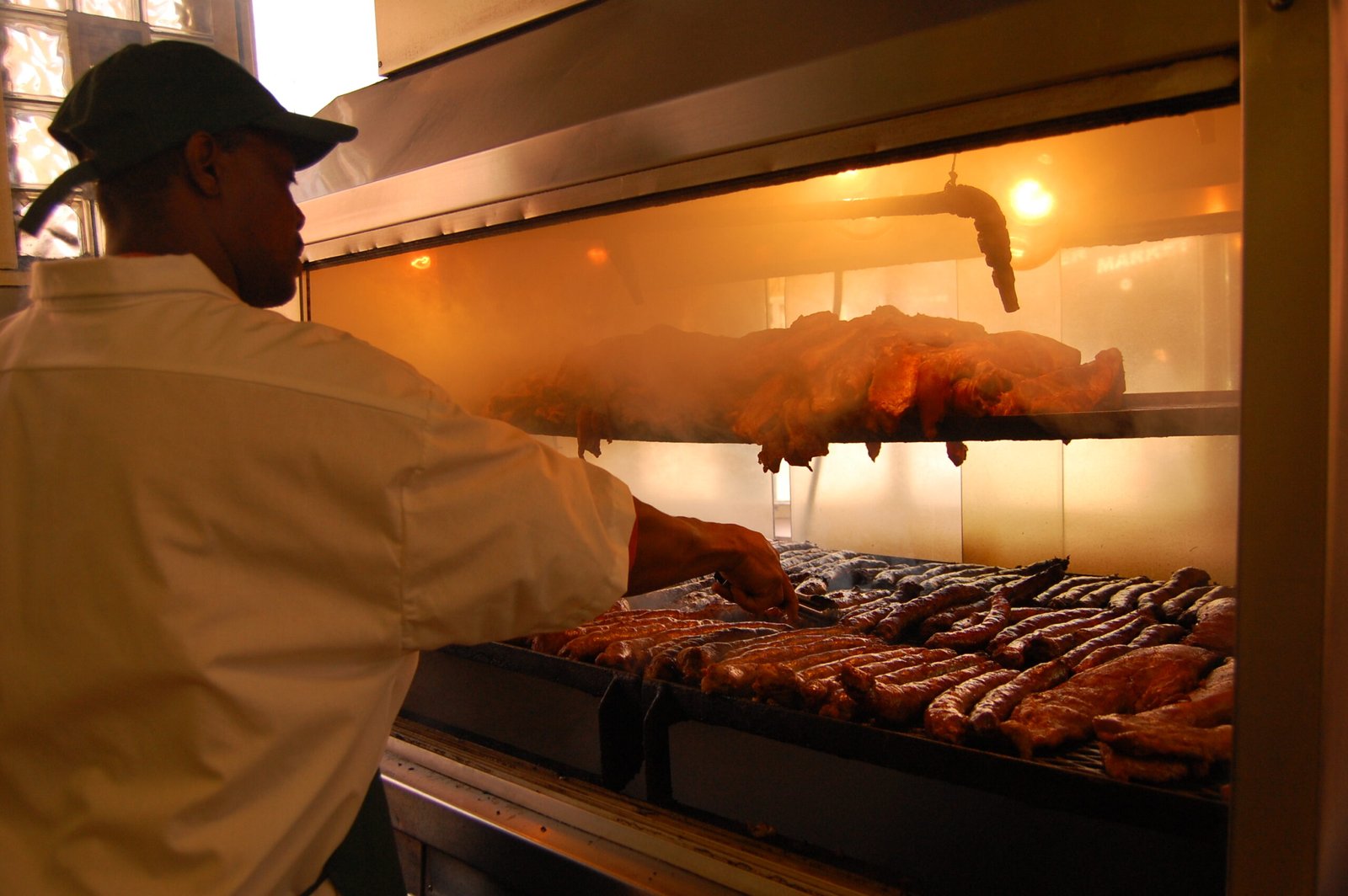
Compare offset, pellet, electric, charcoal, cabinet, and drum approaches.
Open guide →
Grill Brands
Start with the full landscape of gas, charcoal, pellet, electric, griddle, portable, cart, and built-in formats.
Open guide →
Gas Grill Brands
Focus on factory fuel configuration, burners, heat zones, grease handling, and installation.
Open guide →
Pellet Grill Brands
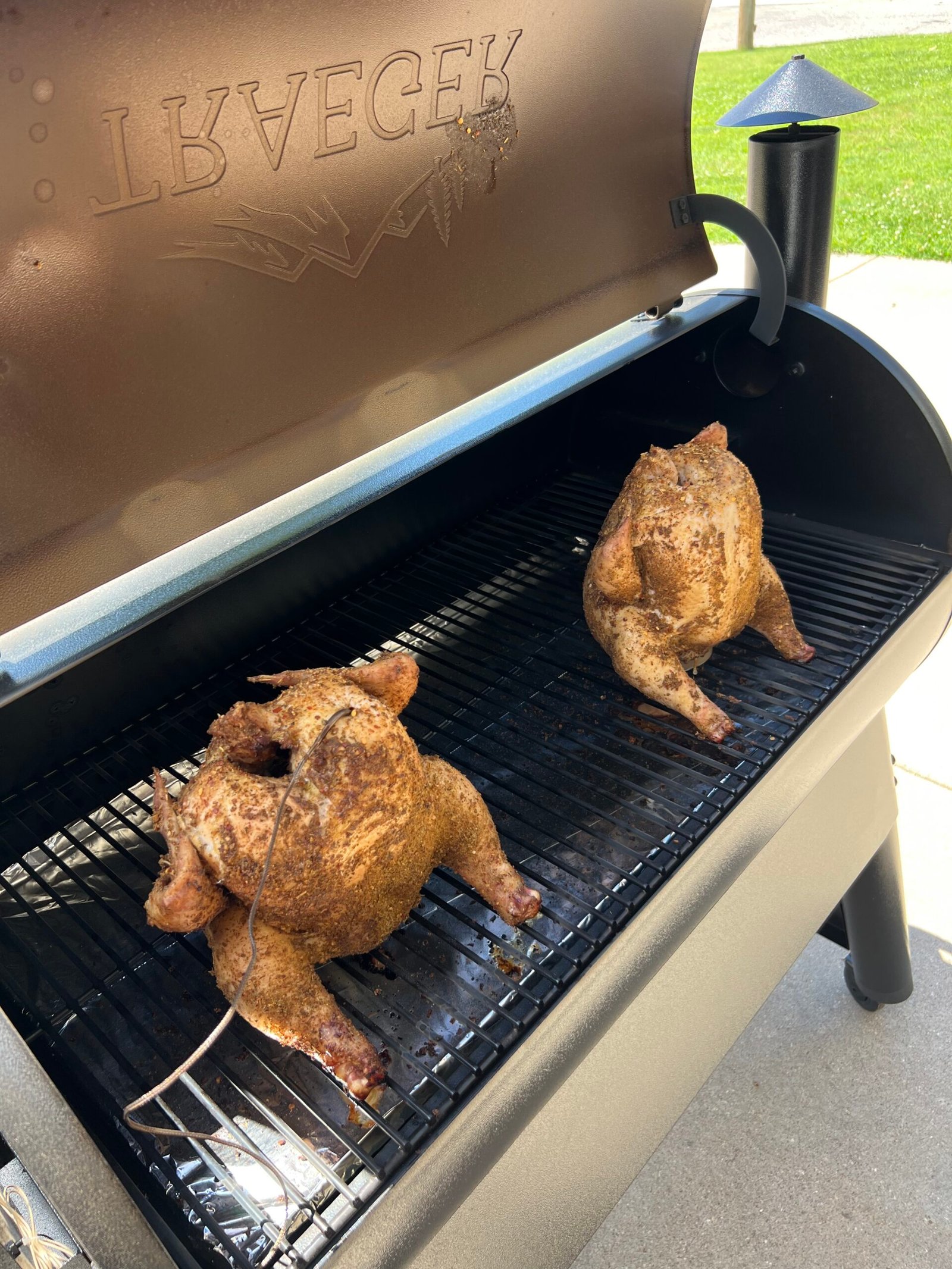
Examine controllers, hoppers, augers, fire pots, fans, probes, power, ash, and firmware support.
Open guide →
Charcoal Grill Brands
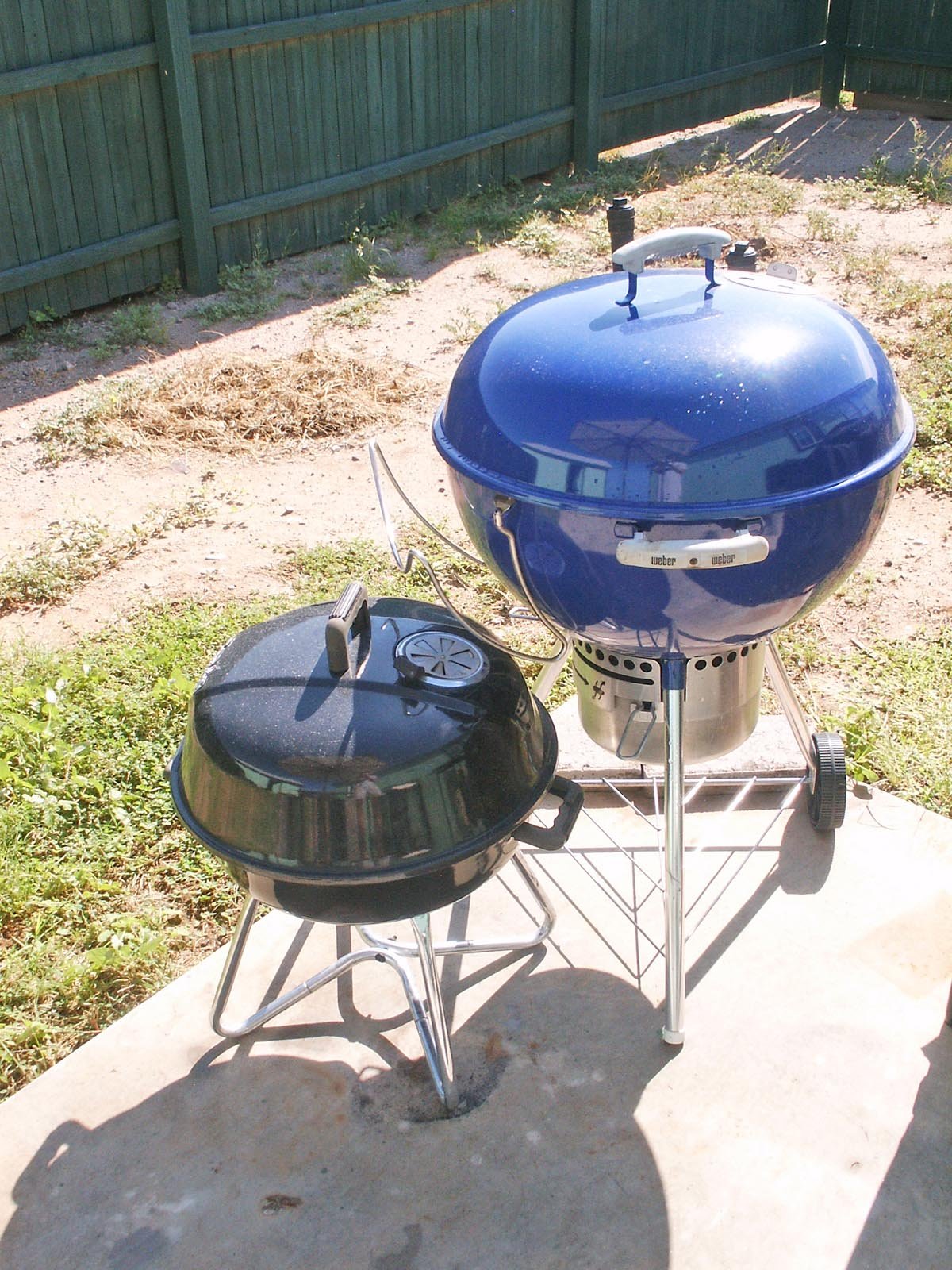
Compare kettles, kamados, carts, and portables through venting, grate geometry, ash handling, and mobility.
Open guide →
Compare fuel and format
Fuel determines much of the routine. Gas emphasizes fuel configuration, ignition, burners, regulators, and grease management. Charcoal puts vents, fuel arrangement, ash removal, and fire-zone planning at the center. Pellet cooking adds an auger, controller, fan, fire pot, sensors, and an electrical dependency. Electric cooking requires a suitable outlet and weather-conscious use. A griddle shifts attention to surface care, seasoning where specified, and grease routing.
Format matters just as much. A portable must be safe to transport and stable at its destination. A cart needs a realistic parking place and a route through gates or doors. A built-in head requires exact cutout, clearance, ventilation, fuel, and enclosure documentation before cabinetry is committed. Headline cooking-area figures can also hide awkward rack spacing or shapes, so sketch the foods and cookware you actually expect to load.
Turn the use case into measurements
Write down the normal meal, the largest occasional cook, the tools or pans involved, and the available setup and storage space. Measure the narrowest gate or doorway on the delivery route. For every candidate, record cooking-surface dimensions, overall footprint, open-lid depth, working clearance, fuel or power needs, and the location of grease or ash collection. This converts broad claims into comparable facts.
Controls, cleaning, and ownership
Treat controls as a workflow. Mechanical valves and vents demand direct adjustment; electronic controllers may coordinate temperature settings, fans, probes, or connected features. An app can be convenient, but it does not prove cooking performance. Ask what remains operable without a phone, internet service, or an account, and whether firmware notes and troubleshooting instructions remain accessible.
Maintenance begins with access. Locate grease trays, ash containers, drip paths, fire pots, grates, burners, heat deflectors, and any surfaces that the manual calls out for routine care. Consider whether those parts can be removed without dismantling the cooker. Weather exposure, rust prevention, coatings, ceramic handling, griddle surface care, and storage practices should follow the exact manual rather than generic advice.
Also separate included equipment from optional accessories. Confirm the exact model or size each accessory fits, whether it changes clearance or cleaning, and whether the manual recognizes the setup. A family name is not a compatibility guarantee.
Failure points and maintenance
Common ownership friction is usually visible in the architecture: grease can accumulate when channels or trays are neglected; ash can obstruct airflow or ignition areas; burners and ports can require inspection; probes and wiring can be damaged or contaminated; moving parts in pellet systems can jam; ceramic components can be vulnerable to impact; and exposed steel can corrode if care instructions are ignored. These are inspection categories, not predictions about any brand.
Before deciding, trace the recovery path for a failed igniter, damaged grate, missing fastener, worn gasket, controller message, or unidentified model number. A searchable parts diagram and model-specific troubleshooting tree may be more useful than a long marketing feature list.
Build a maintenance calendar only from the manual. Record before-use checks, periodic cleaning, seasonal storage, and inspection after unusual operation. If the documentation uses vague intervals, ask support what condition should trigger service. Never bypass a safety device or improvise a fuel, electrical, or structural repair.
Questions to ask manufacturer support
Send questions with the complete model number and country. Save the dated reply with the manual and comparison notes; it provides a better decision record than an uncited claim.
- Which model and serial identifiers does support require?
- Can I download the current US owner’s manual, assembly guide, parts diagram, and—if relevant—installation sheet before purchase?
- Which components have separate written coverage periods, exclusions, registration steps, or original-purchaser conditions?
- Are user-replaceable parts identified by part number, and how is compatibility confirmed?
- Who handles diagnosis and service: the manufacturer, retailer, dealer, or an authorized technician?
- For connected products, what functions require an app, account, Wi-Fi, or firmware update?
A repeatable verification method
- Write a one-sentence cooking brief covering fuel, format, typical meal, largest occasional cook, and storage location.
- Record the exact model number; do not compare family names alone.
- Download official US documentation and note its revision date or model applicability.
- Check exterior dimensions, lid-open space, listed clearances, power or fuel requirements, and the route to the final location.
- Map usable grates or surfaces to real food and cookware rather than relying only on a total-area number.
- Read cleaning, shutdown, storage, troubleshooting, parts, and warranty sections; send unresolved questions to support in writing.
Use a simple pass, fail, or unknown field for each criterion. An unknown should remain open rather than being filled with an assumption. Recheck documents immediately before purchase because lineups and terms can change.
Frequently asked questions
Is there one best outdoor cooking brand?
No. A defensible choice depends on fuel, format, space, cooking geometry, controls, maintenance, and support needs. Compare exact products against the same written brief.
Should I choose a brand before a fuel type?
Usually no. Fuel and format shape the cooking and cleaning routine more directly than the logo.
Does a longer feature list mean a better cooker?
Not necessarily. Features have value only when they support your use case and remain understandable, maintainable, and documented.
How should I verify warranty information?
Use the current written terms for the exact model and US market. Check covered components, periods, exclusions, claim procedure, registration language, and who pays for relevant service or transport.
Are owner comments evidence of reliability?
Individual comments can suggest questions to investigate, but they do not establish failure rates, prevalence, or comparative reliability.
Evidence and methodology
This page is an editorial comparison framework, not a hands-on test or model review. It makes no rating, price, availability, performance, reliability, or universal-best claim. Manufacturer catalogs help define product families, while current US manuals, assembly or installation guides, parts diagrams, support pages, and written warranty terms govern exact-model facts.
Community comments are anecdotal and are not treated as proof. The collected search-result set was rejected for semantic use and is not cited. Questions and entities here come from the governed topic map: fuel, format, cooking geometry, airflow or burners, controls, power, ash, grease, materials, maintenance, manuals, parts, warranty, and support.
Source box
Verify before relying: the manufacturer’s current US product page for the complete model number; owner’s and assembly manuals; installation or cutout instructions where applicable; official parts diagrams; official troubleshooting and safety notices; and the full written US warranty. Retailer summaries may help locate a product but should not override model-specific manufacturer documents.
Final checklist
Do not choose until the exact model passes the same brief for fuel, format, fit, usable cooking geometry, controls, cleaning access, placement, storage, documentation, parts identification, and service path. Keep unresolved safety or compatibility questions marked as unknown and obtain a written answer before installation or operation.
Image credits
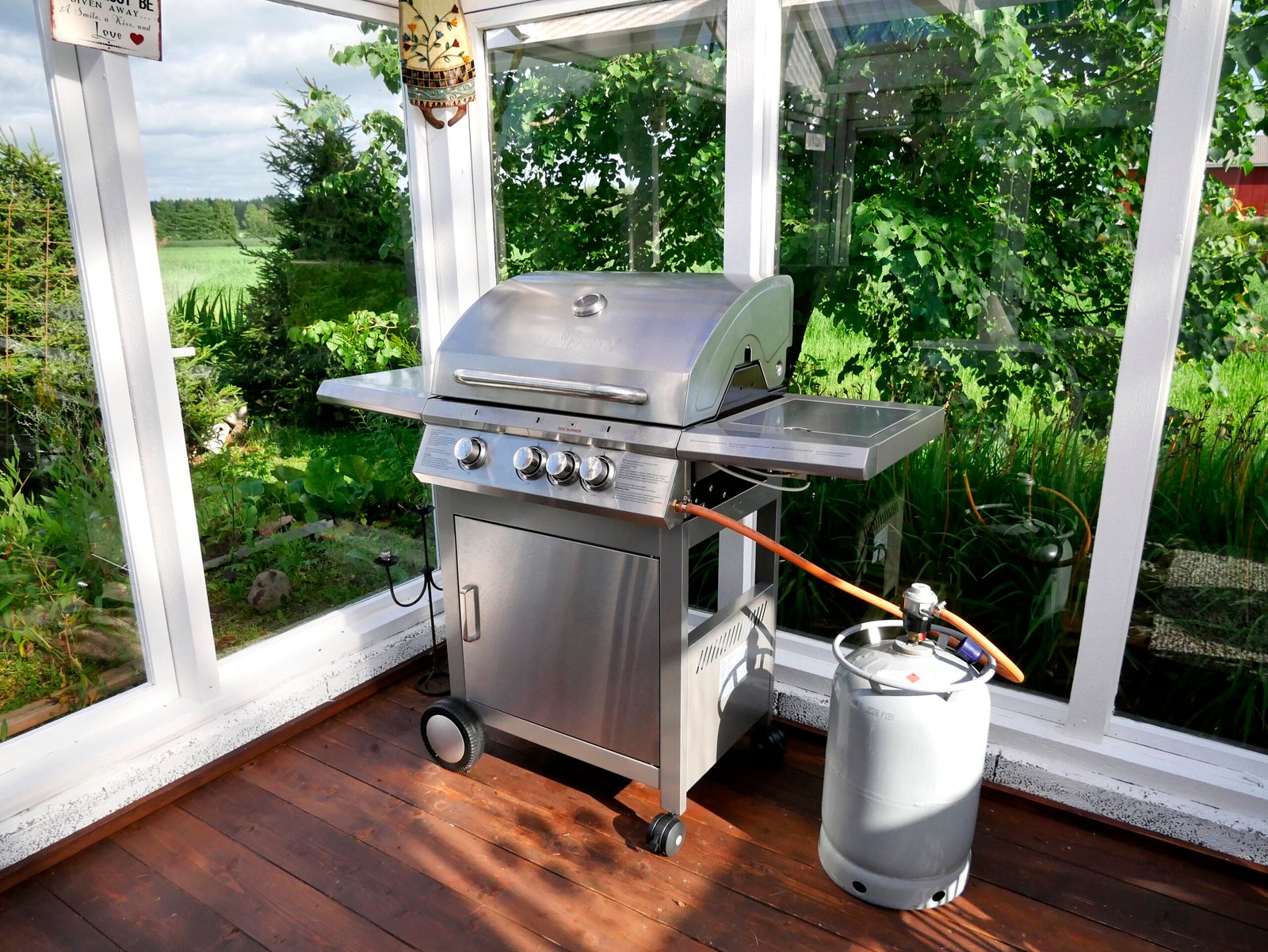
Hero image — Santeri Viinamäki; Wikimedia Commons; licensed under CC BY-SA 4.0. Cropped responsively; no substantive image edits.